The wonderful odyssey
of development
Every child is a world in themselves. Discover the key stages of their growth to support them with confidence, serenity, and without any pressure.
Understanding Development: A Multidimensional Process
Human development is not just about gaining weight or height. It is a complex and continuous symphony where physical, psychological, cognitive, emotional, and social dimensions intertwine. In 2026, we know more than ever that every interaction, every smile, and every moment of calm contributes to sculpting your newborn's brain architecture.
The importance of each stage lies in its ability to build the child's deep identity. It is not a race for performance, but a path toward autonomy. By understanding the mechanisms of Awakening and Learning, you become the privileged partner of an extraordinary human adventure.
Did you know?
A newborn's brain creates up to a million new neural connections every second. Your caring presence is the fuel for this infinite expansion.
Milestones of the First Year
Click on a stage to deepen your knowledge.
Baby is 1 month old
Discovery of archaic reflexes and first moments of intense eye contact.

2 to 3 months
The first social smile and head control.
4 to 6 months
Grabbing objects and the start of diversification.
7 to 9 months
Exploration through crawling.
10 to 12 months
Towards independence. First steps, first words, and self-assertion.
- Advanced fine motor skills
- Understanding simple instructions
Interactive Awakening Simulator
Select your child's age to discover the typical aptitudes observed by pediatricians in 2026.
Expert Tip
Stimulate their sight with black and white contrasts.
🧠 Cognitive
Follows an object with their gaze over a short distance.
🏃 Motor
Sucking and grasping reflexes present.
❤️ Social
Recognizes their mother's scent and voice.
The 4 Pillars of Global Development
Motor Development
It is divided into two essential branches. Gross motor skills concern large movements (rolling over, sitting, walking). Fine motor skills refine finger precision to manipulate tiny objects.
- ✔ Head control around 3 months
- ✔ Sitting position acquired between 6 and 8 months
Language and Cognition
Even before speaking, baby communicates. The beginnings of language go through crying, cooing, and then babbling. On the cognitive level, they begin to understand that things exist even when hidden: this is object permanence.
Emotional Development
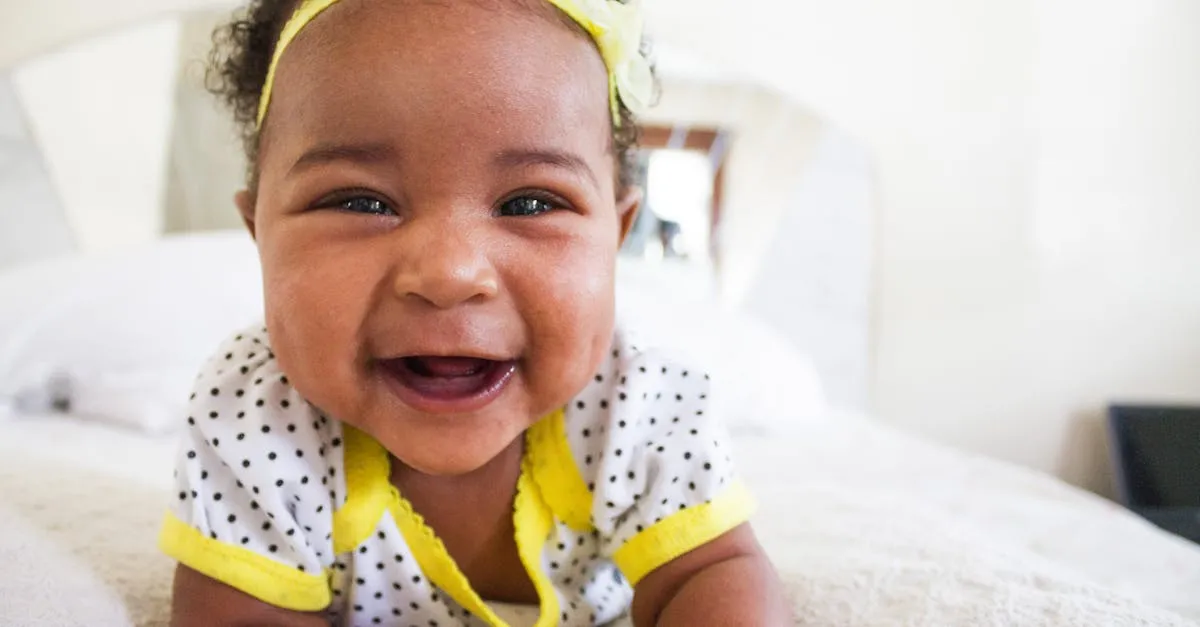
The basis of all progress is the feeling of security. A solid attachment bond allows the child to explore the world knowing they have a safe harbor. This forges future self-esteem.
Social Development
From simple imitation of facial expressions to the first interaction games with peers. This is where essential social skills are acquired: empathy, sharing, and cooperation.
Insights from Great Theorists
Jean Piaget : Sensorimotor Intelligence
For Piaget, the child is a "little scientist." They learn by acting on their environment. From 0 to 2 years, their intelligence is purely sensory and motor.
Thomas Armstrong : The 12 Gifts
Armstrong proposes a poetic and scientific vision where each stage is marked by a specific "gift." The newborn brings the gift of "Vitality," while the young child brings that of "Imagination."
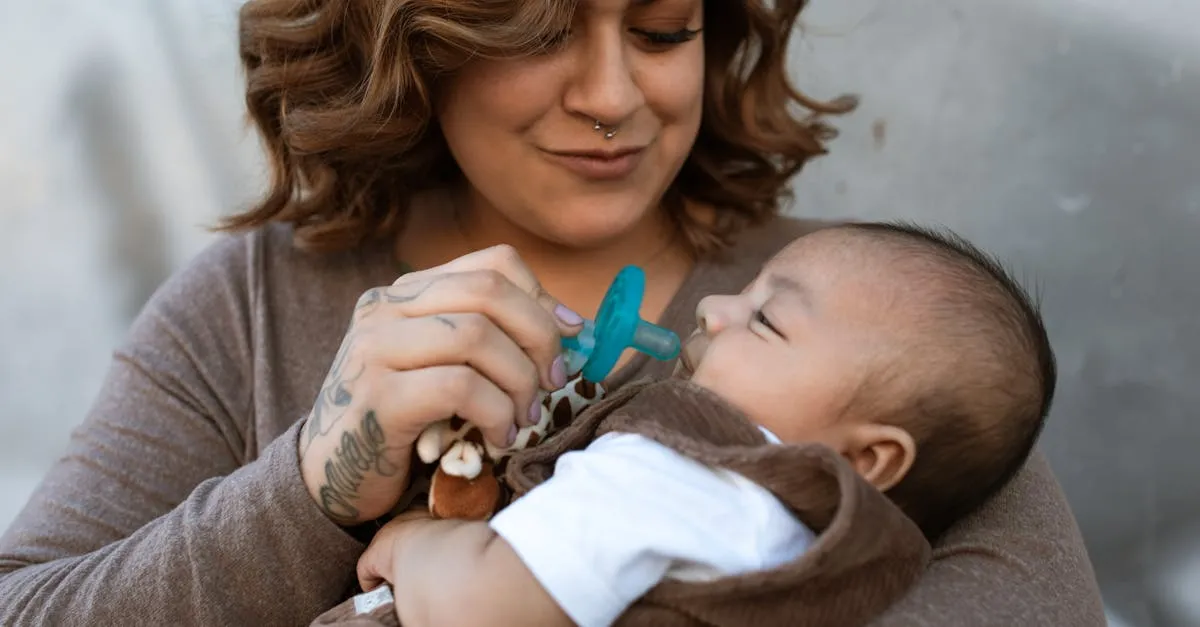
Stop the comparisons!
Development is not a straight line; it's a spiral. Each individual progresses at their own pace, influenced by their genetics, environment, and emotional maturity.
"There is no exact age for walking, there is only the right time for YOUR child."

Staying vigilant with peace of mind
While variability is the rule, certain warning signs deserve a consultation with a pediatrician or specialist. Early intervention is often the key to unblocking significant delay situations.
Reminder: This guide is by no means a substitute for professional medical advice. Consult regularly during mandatory exams.
Frequently Asked Questions
Why isn't my baby crawling yet? ▼
Every baby has their style. Some go straight from sitting to standing without ever crawling. This is not a sign of cognitive delay.
How to stimulate their sensory awakening? ▼
Prioritize natural sensory awakening: soft music, massages, objects with varied textures, and especially your face, which is the most fascinating toy in the world.
At what age does baby say their first word? ▼
Generally around 12 months, but unintentional "dada" or "mama" can appear around 8-9 months. The most important thing is their understanding of language long before speech.