
From 4 to 6 months:
The World Opens Up
A pivotal period where flavors arrive at the table and interactions become real dialogues. Welcome to the era of intense discovery.
A joyful and sensory metamorphosis
In this mid-2026, we understand better than ever that every child progresses on their own path. Between 4 and 6 months, your baby slowly leaves the "infant" stage to become an active explorer. This is the age of first loud laughs, rolling attempts, and above all, the awakening of the palate.
This guide was designed to offer you compassionate support through this transition. Whether you are considering traditional diversification or are curious about new approaches, our priority is to give you the keys to act with confidence. We will cover not only feeding, but also cognitive development and interactions that strengthen the attachment bond so precious at this age.
Get ready to live intense moments: from the first grimace at a carrot puree to lightning-fast progress in motor skills.




The Diversification Adventure
The introduction of solids is a major milestone. Between 4 and 6 months of age, your child's digestive system and kidneys are ready to accept something other than breast milk or infant formula.
When to start?
The WHO recommends exclusive breastfeeding until 6 months, but the diversification window is generally between 4 and 6 months. Observe your baby: do they hold their head up? Are they interested in your plate?
Which textures?
At the beginning, we favor a smooth and fluid texture. Baby must learn to swallow a consistency different from liquid. The blending must be fine, without chunks.
Milk remains king
Diversification accompanies milk, it does not replace it. Milk (breast or formula) remains the primary source of calories and nutrients until at least 1 year.
First Meals Simulator
Select your baby's age to discover the recommended foods and preparation tips adapted to their current stage.
At 4 Months: Initiation
- ✅ Vegetables: Carrot, squash, green beans (stringless), leek whites.
- ✅ Fruits: Apple, pear, banana (cooked and blended).
- ✅ Quantity: A few teaspoons to taste, after the bottle or breastfeeding.
- ⚠️ Very smooth texture, almost liquid. No salt, no sugar.

Gently stimulating the senses
At this age, baby begins to coordinate eyes and hands. They try to grab everything within reach to put it... in their mouth! This is their primary way of exploring.
Mirror play
Baby loves observing faces, especially their own! Place an unbreakable mirror at their height. They will begin to understand object permanence gradually.
Varied textures
Offer different fabrics (silk, cotton, terry cloth) to stimulate their fine motor skills and tactile sensory sensors.
Vocalizations and dialogues
Respond to their noises with words. This is the fundamental stage of the beginnings of language. Name the objects they touch.
The Practical Guide to "Homemade"
Gentle Cooking
Favor steaming to preserve essential vitamins and minerals. Nutrients are fragile: cooking too long or at too high a temperature denatures them.
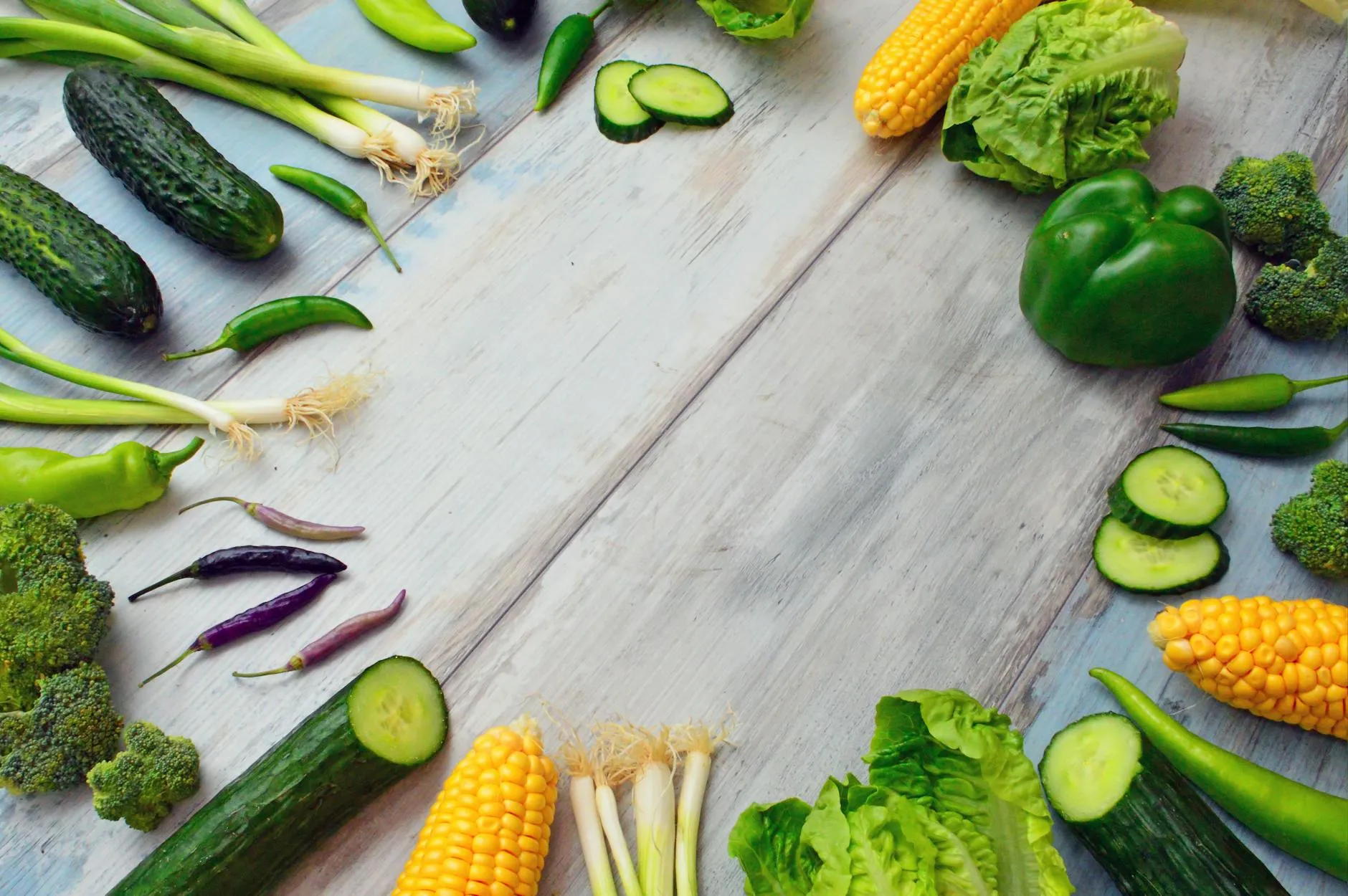
Zero Salt, Zero Sugar
Baby's kidneys are immature. Do not add any seasoning. Let them discover the true taste of pure food.
Healthy Fats
Starting at 6 months, add a teaspoon of raw vegetable oil (rapeseed, olive) to their puree for brain development.
Storage & Hygiene
Sterilize your containers if possible. Purees can be kept for 24 hours in the fridge or several weeks in the freezer in ice cube trays for perfect portions.
Batch Cooking
Save time by preparing your purees on Sunday. Blend, portion, label. Serene organization for fulfilled parents!
On the road to mobility
Between 4 and 6 months, muscle strength develops. Your baby may start to turn on their side or even from stomach to back. It's time to encourage "Tummy Time" under supervision to strengthen their neck and back, thus preparing for the future sitting position.

Frequently Asked Questions (FAQ)
Baby refuses the spoon, what to do? +
It's completely normal! The extrusion reflex (pushing with the tongue) may still be present. Never force it. Offer again a few days later. Diversification must remain a pleasure, not a constraint.
What about allergens (egg, peanut, gluten)? +
Current recommendations suggest introducing allergens between 4 and 6 months, as this could favor immune tolerance. Introduce them one by one, in small quantities, and observe reactions.
How to manage spitting up with purees? +
Often, introducing denser solids helps reduce reflux. If baby spits up the puree, check that they haven't eaten too much or that the texture isn't too liquid. Stay in an upright position after the meal.
Can they drink water? +
From the start of diversification, you can offer a few sips of low-mineralized water during meals to get them used to the taste, but their main hydration still comes from their milk.
Living every moment with serenity
You're doing a wonderful job. Parenting is a journey, not a destination. Continue to listen to your instinct.