The Art of Sitting
Upright with Confidence
The sitting position is not just a simple physical step; it is an opening to the world. Discover how to support your child in this conquest of verticality, while preserving your own postural health.
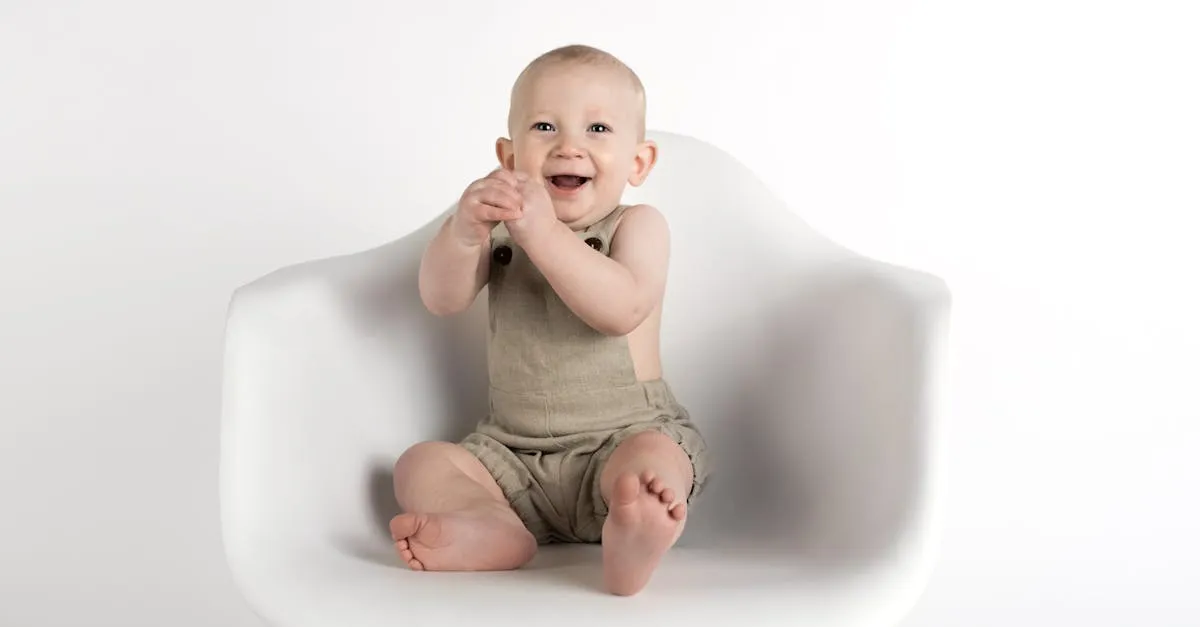
Guaranteed Safety
Advice validated for 2026
The Sitting Position: More Than Just a Posture
In our modern society, sitting has become the predominant posture. From the service sector where screen work is the norm, to family mealtimes, we spend an average of 7 to 9 hours a day sitting. For an infant, this transition is the result of a fascinating neurological and muscular complexity, marking the passage from horizontal dependence to vertical exploration.
Sitting Posture vs. Sedentary Lifestyle
It is crucial to distinguish between sitting posture (a physical position) and sedentary behavior (a state of low energy expenditure). A baby learning to sit is anything but sedentary: their trunk, abdominals, and back muscles work intensely to maintain balance against gravity.
Conversely, for us adults, prolonged sitting in a professional environment can become harmful. This guide is therefore addressed to both: your child's awakening and the preservation of your own health capital.
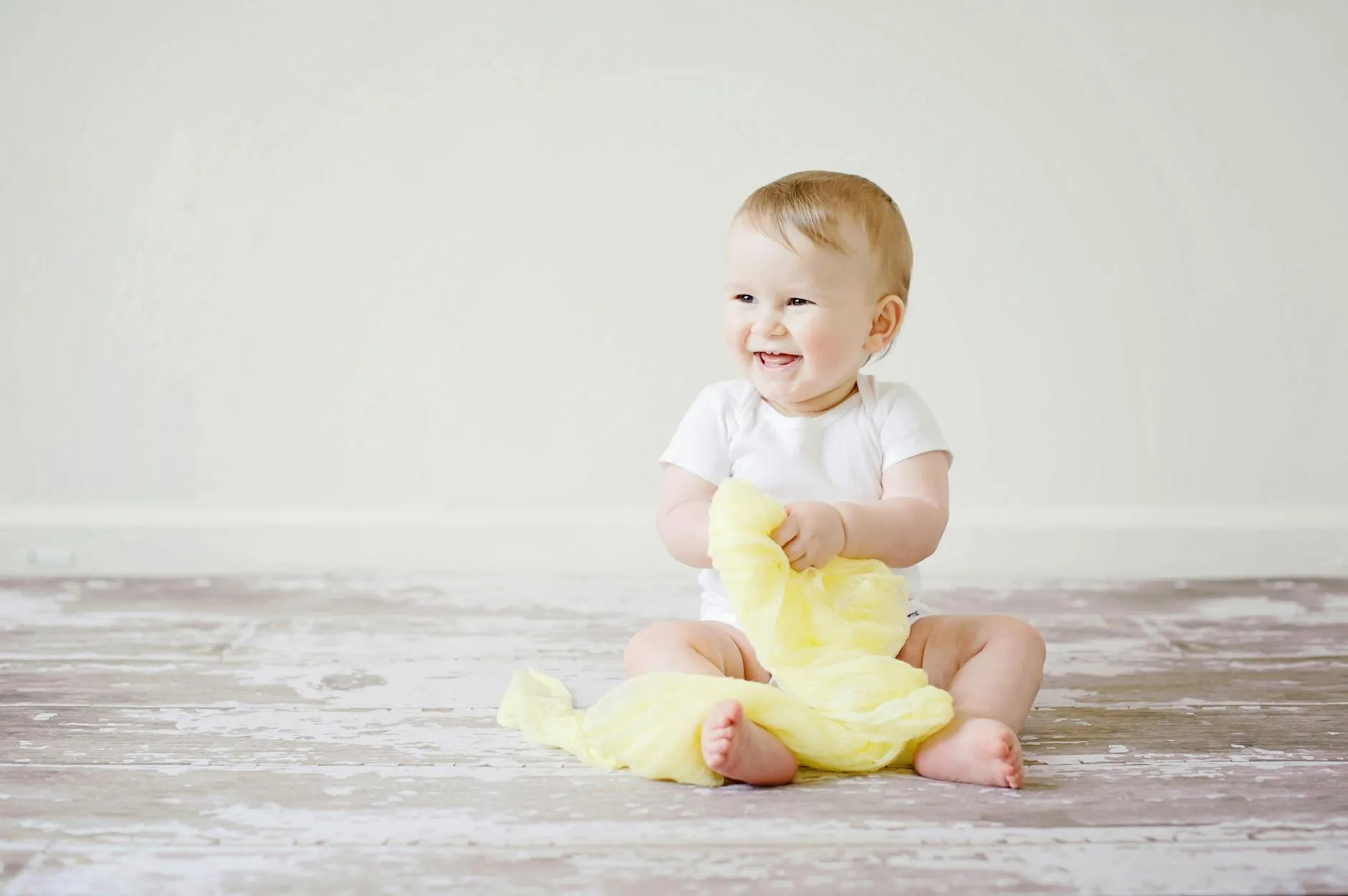
"Ergonomics starts from a very young age, through imitation and the establishment of a healthy environment."
The Challenges of Prolonged Sitting
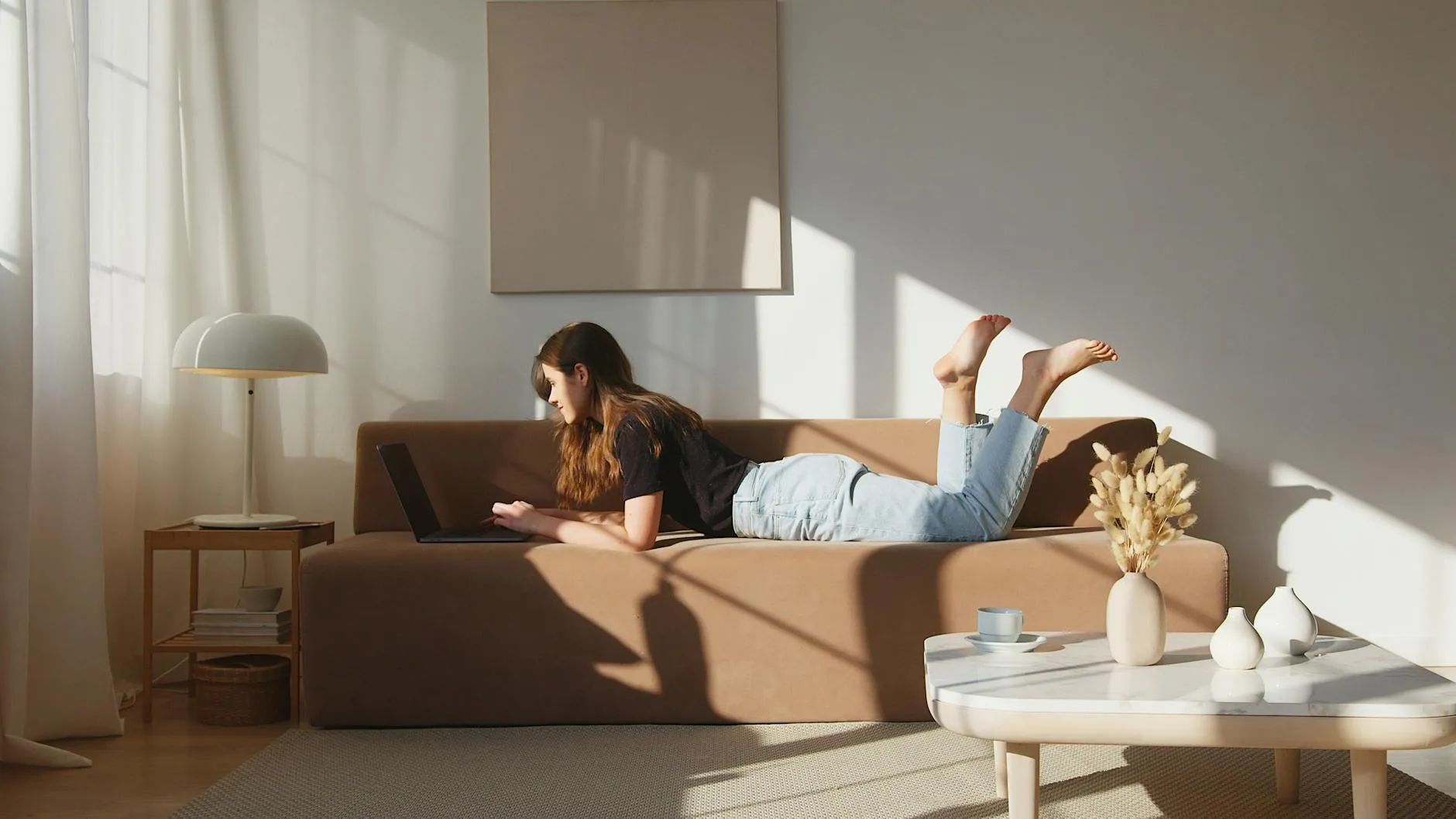
The human body is designed for movement. Maintaining a static position, whether it's an infant forced into an unsuitable seat or a parent working remotely, creates physiological constraints:
- ● Musculoskeletal Disorders (MSDs): Static muscle contractions disrupt blood circulation, accumulating metabolic waste and causing stiffness and fatigue.
- ● Impact on the Spine: The loss of natural lumbar curvature in a classic sitting position increases pressure on intervertebral discs by 40% compared to standing.
- ● Metabolic Risks: In the long term, excessive sitting is linked to an increase in cardiovascular risks and obesity.
On our Motor Skills and Body page, we explore how free movement prevents these risks from birth.
Maximum recommended sitting time per day
Ideal frequency of active breaks

Maintaining neutral curvature is key
When is Baby ready?
4 to 6 Months: Preparation
The child begins to raise their chest while leaning on their forearms during tummy time. This is the beginning of back tone.
Learn more7 to 9 Months: Tripod Sitting
Baby sits up but uses their hands placed in front for support. Balance is fragile but the field of vision expands.
Progress10 Months +: Autonomy
The sitting position becomes a stable base for manipulating objects. Baby moves from lying down to sitting on their own.
Towards walkingSimulator: Ready for the Sitting Position?
Check your child's current skills to receive personalized advice.
Ergonomics for Parents: Protect Your Back
Caring for a baby involves hundreds of sitting/standing transitions every day. In 2026, ergonomics is no longer limited to the office; it enters the nursery.
Neutral Posture
Whether you're at the office or feeding, keep your ears, shoulders, and hips aligned. Avoid excessive forward rounding.
Lumbar Support
Use a nursing pillow or a dedicated support to fill the small of your back during quiet moments. This reduces disc pressure.
Support Adjustment
Your feet should be flat. If necessary, use a footrest or a small bench so your knees are slightly above your hips.

Expert Tip
"If you work at home with baby, prioritize an external screen at eye level to avoid chronic neck pain linked to prolonged laptop use."

Prevention Routine: The 30/30
Active Breaks
Every 30 minutes, stand up. Even 2 minutes of walking reactivates the venous pump.
Stretches
Open your chest. Sitting "closes" us; counter-balance by stretching the pectorals.
Alternation
Use a sit-stand desk if possible. Alternation is the ultimate remedy for muscle stasis.
Hydration
Drinking regularly forces you to stand up and maintains the elasticity of your spinal discs.
The Weight of Habit
We carry within us postural habits acquired since childhood. Teaching a child to sit is also about passing on a culture of movement. In many cultures, sitting on the floor (cross-legged, squatting) is favored, placing more demand on hip flexibility and trunk strength.
As parents, deconstructing our "bad" positions (crossed legs, hunched back) is the first step in setting an example. An environment rich in textures and levels (rugs, cushions) encourages the child to vary their support naturally.
Your questions about the sitting position
Can I sit my baby with pillows if they can't hold themselves up? ▼
It is discouraged to force the sitting position with supports if the muscles are not ready. This creates excessive pressure on the still immature spine. Prefer floor time in free movement.
Is the use of a "Bumbo" type seat recommended? ▼
These seats hold the pelvis in a fixed position that does not allow the stabilizer muscles to work. They should be used with great moderation and never for long periods.
My back has been hurting since I started carrying my baby, what should I do? ▼
Consult our guide on motor skills and the body. Remember to bend your knees when picking up baby and to regularly switch carrying arms to balance the load.
Ready to support those first steps?
The sitting position is the foundation for future walking. Discover the next step in your child's motor adventure.