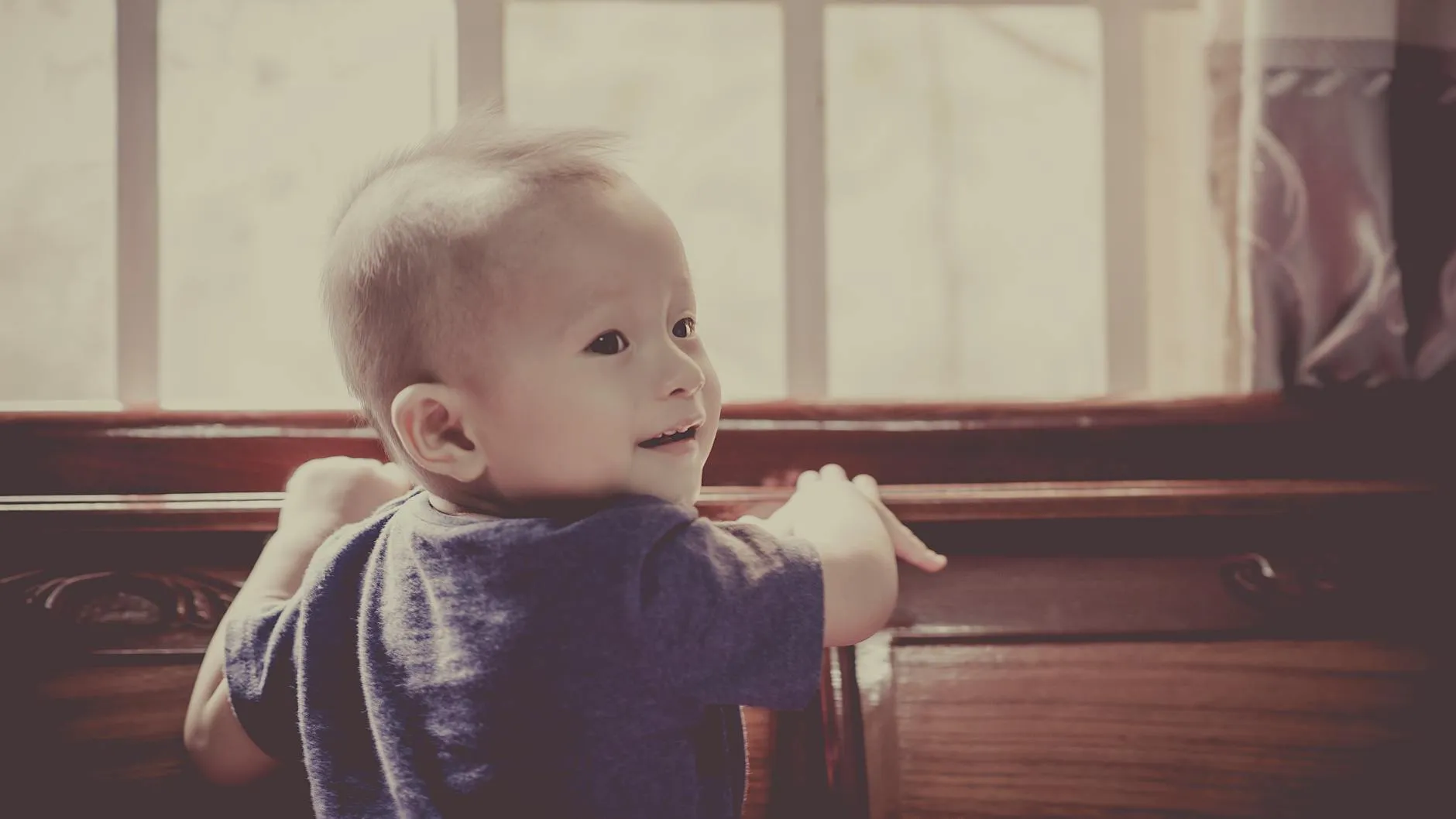
From 10 to 12 months:
The blooming of independence
Your baby is about to celebrate their first birthday in 2026. Between 10 and 12 months, they no longer just observe the world: they set out to conquer it. Discover how to gently accompany them through this fascinating transition.
A pivotal period toward toddlerhood
While the previous months were dedicated to discovering ground mobility, the 10 to 12-month period marks the rise. It's the era of changing perspectives: your child begins to see the world from above. This transition is also one of cognitive explosion where communication becomes intentional and emotions more complex. At La Vie de Bébé, we believe every parent is the best expert on their child. This guide is here to light your path, without pressure or guilt.
Exploration
An insatiable thirst to discover every corner of the house.
Interaction
The transition from babbling to the first meaningful sounds.
Affirmation
The emergence of their own personality with distinct tastes.
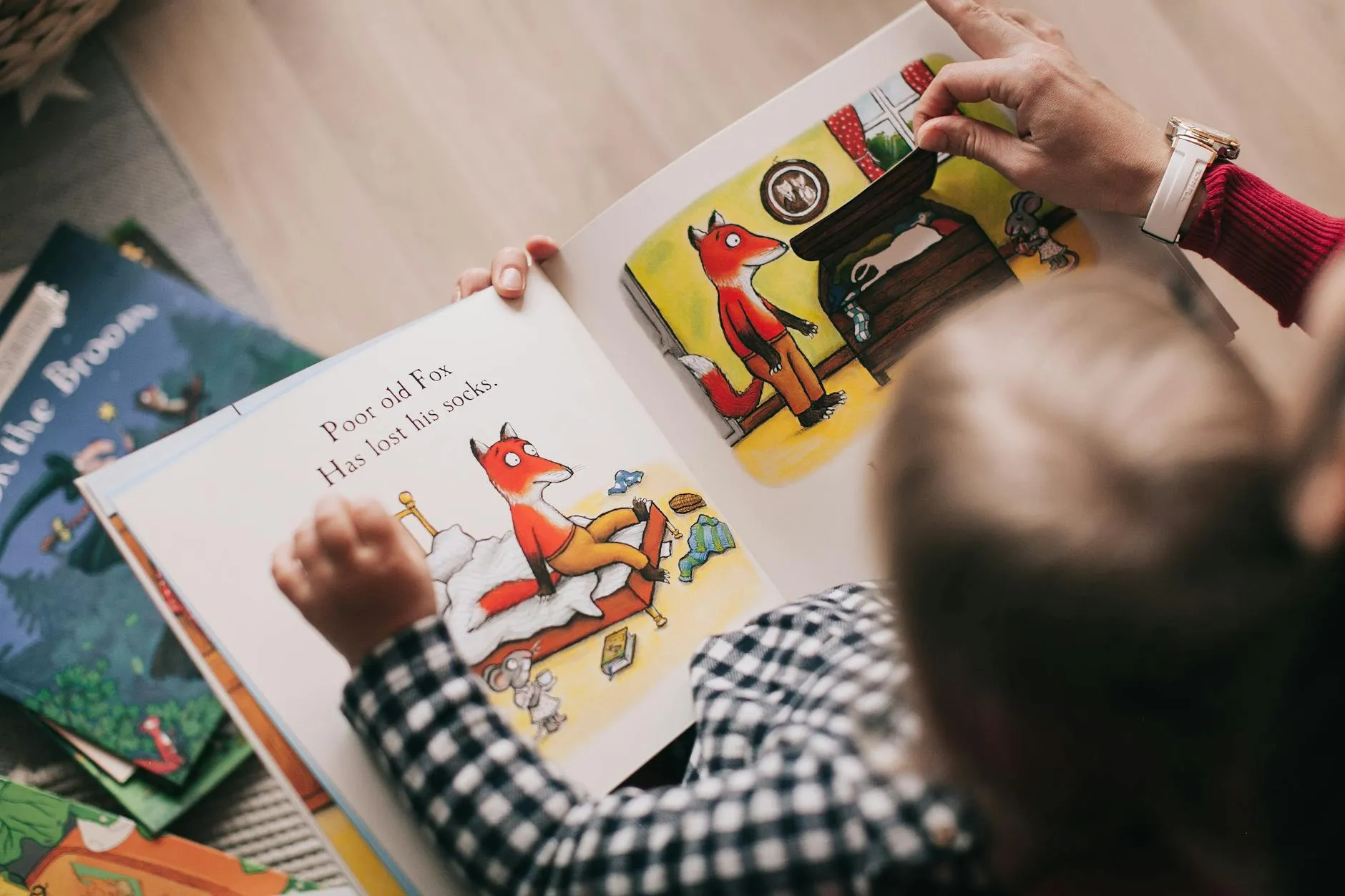
The awakening of intelligence: Understanding and Communicating
At this age, your baby's brain is a real sponge. **Cognitive development** isn't just about accumulating knowledge, but about the ability to process information. Between 10 and 12 months, object permanence is now well established: they know that if you hide their comfort object under a blanket, it hasn't disappeared.
Problem solving
They begin to understand how to stack objects, tip a container to get the contents out, or use a support to reach a toy.
Social imitation
Watch them pretend to talk on the phone or brush their hair. This is the beginning of symbolic play, a key stage for future empathy.
Language takes flight: The beginnings of speech
Around 10 months, babbling becomes more complex. This is called "jargon": your baby produces sequences of sounds that sound like real sentences in their intonation, even if the words aren't there yet.
- Understanding simple instructions ("Give me the ball").
- Using pointing to request or show interest.
- Systematic response to their name.
- Possible appearance of the first functional words ("Dada", "Mama", "Nigh-night").
La Vie de Bébé's Advice
"Do not look for phonetic perfection. If your child says 'Ba' for ball, validate their intention by saying: 'Yes, that's the ball!'. This positive validation reinforces their confidence and desire to communicate."
Verticality and Precision: Conquering the Body

Standing up
Most 10-11 month old babies pull themselves up by grabbing furniture. They discover the strength in their legs and the precarious balance of the pelvis.
85%
of babies practice 'cruising' (walking along furniture) at 11 months.
The pincer grasp
At 10 months, fine motor skills are impressive. They can pick up a crumb between the thumb and index finger with surgical precision.


Towards the first steps
Whether they walk alone at 10 months or 15 months, every pace is normal. What matters is their curiosity and ability to move, regardless of the method (crawling, bear walking, or bottom shuffling).
10-12 Month Development Simulator
A fun little tool to visualize your child's areas of progress in 2026.

At the Table! Independence at their fingertips
This is the moment when food diversification takes an exciting turn. Your baby no longer simply wants to be fed; they want to *feed themselves*. It's the crucial stage of transitioning to soft finger foods.
Texture
Introduction of small soft pieces (well-cooked vegetables, ripe fruit, pearl pasta).
Utensils
Attempts at handling the spoon and transitioning to a training cup.
Sharing
Increasingly active participation in family meals, a key social moment.
Milk
Milk remains essential (about 500ml/day), whether breast milk or follow-on formula.
The world of emotions and nights
Why does your baby cry as soon as you leave the room? Around 10 months, separation anxiety can resurface. They realize they are a separate person from you, which is both exciting and terrifying.
Sleep: The challenges
- • Waking up due to teething or motor progress (the urge to stand up in the crib).
- • Need for even more structured bedtime routines to provide security.
- • Possible transition to one long afternoon nap (often closer to 12-15 months).
Emotions: Self-assertion
- • First frustrations: they know what they want but can't always express it or get it.
- • Strong attachment to transitional objects (comfort object, blanket).
- • Sensitivity to their parents' emotions.
3 Pillars to support their development
Comfort, Play, Teach: a gentle method for 10-12 month olds.

Comfort
Use reassuring words and soft songs. When your child explores, be their "secure base": they must be able to return to you for a hug before heading back out on an adventure.
Play
Prioritize hide-and-seek games ("Peek-a-boo"), imitation games (pretending to drink), and treasure baskets filled with everyday objects of varied textures.

Teach
Name everything you see. "Look at the little white cat", "This apple is cold". Use board books with realistic images to enrich their passive vocabulary.
Health and safety checklist approaching 1 year
! Childproofing the environment
Their new mobility exposes them to new risks. It's time to rethink your home:
- Securing heavy furniture to the wall (dressers, bookshelves).
- Installing gates at the top and bottom of stairs.
- Outlet covers and table corner protectors.
🩺 Medical appointments
On the way to the 12-month check-up:
Vaccination boosters
Anticipate mandatory boosters between 11 and 12 months. Discuss them with your pediatrician during your regular visits.
Growth monitoring
Weight, height, and head circumference to ensure the curve is steady.
Frequently Asked Questions
My baby isn't walking yet at 12 months, should I be worried? ↓
Absolutely not. Acquiring walking is normal between 10 and 18 months. Some babies are more cautious and prefer to consolidate their language or fine motor skills before starting.
How to handle the first "tantrums" or frustrations? ↓
At this age, these are not whims but emotional overload. Name the emotion: "I see that you are angry because you wanted that toy". Offer a distraction or a return to calm through physical contact.
What activities can I do to stimulate their language? ↓
Sing nursery rhymes with actions (like "The Itsy Bitsy Spider"), read books with them every day, and describe your daily actions. What matters is the social interaction, not the performance.
On the way to their first candle!
Your child's first birthday is as much a celebration for them as it is for you. You've been through a year rich in emotions. In 2026, continue to offer them what they need most: your love, your presence, and your patience.
Back to the complete guide