Motor Skills and the Body: The Awakening of Self
Discover how your baby's body tells its story. A fascinating journey between neuroscience, emotions, and movements to build lasting confidence.
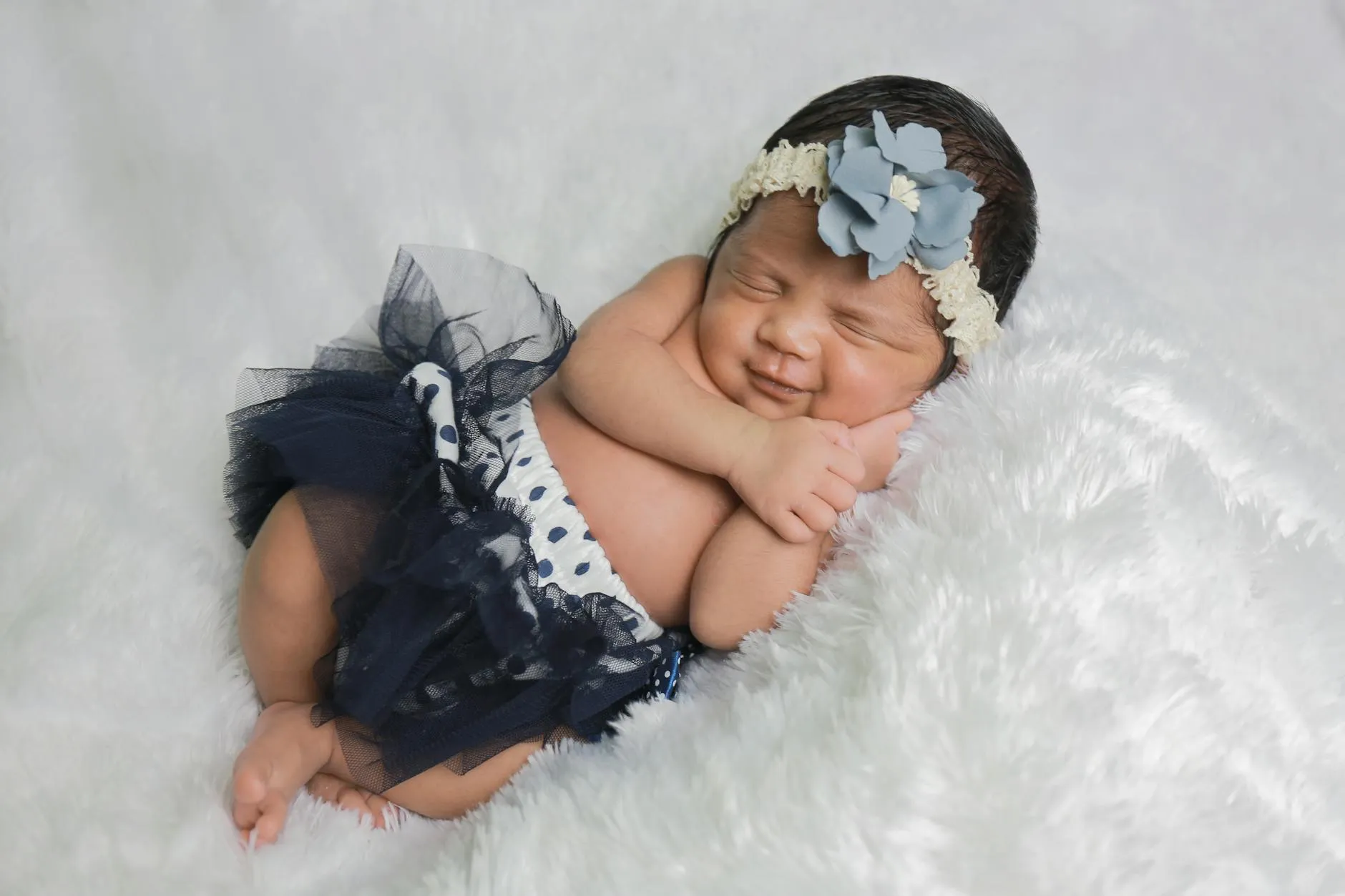
The Silent Language of the Body
Long before the first words are spoken, your child's body expresses itself. It is a silent poetry, made of subtle tensions, deep or shallow breaths, and movements still imprecise that are seeking their way. In 2026, we understand more than ever that the body is not just a simple vessel: it is the primary actor in our psychological balance.
Every posture, every muscle tone tells an internal story. A baby stretching with pleasure after their nap, or one curling up to seek security, uses their physical envelope to communicate their deepest needs. Reconciling mental health with the body is essential. Too often, we have separated the "cerebral" from the "physical", forgetting that the mind is first embodied in the flesh.
"The body is the spirit's first home; it is by fully inhabiting it that the child discovers the world and themselves."
It is about moving away from a strictly medical vision of emotions to embrace a holistic approach. Signs of stress, joy, or curiosity are not just in the brain; they vibrate in every muscle fiber. By observing these signals, you learn to read the invisible guide that your baby offers you every day.
Neuroscience: When the Body Feels
Affective neuroscience reveals today an unbreakable link between emotions and physical manifestations. Anxiety does not start with a thought, but often with a tightening of the diaphragm or an acceleration of the heart rate.
The Feedback Loop
The brain receives information from the body. By modifying the baby's posture (carrying, skin-to-skin), one directly calms their nervous system.
Body Empathy
Your own state of relaxation or tension is picked up by the baby via mirror neurons, influencing their own muscle tone.
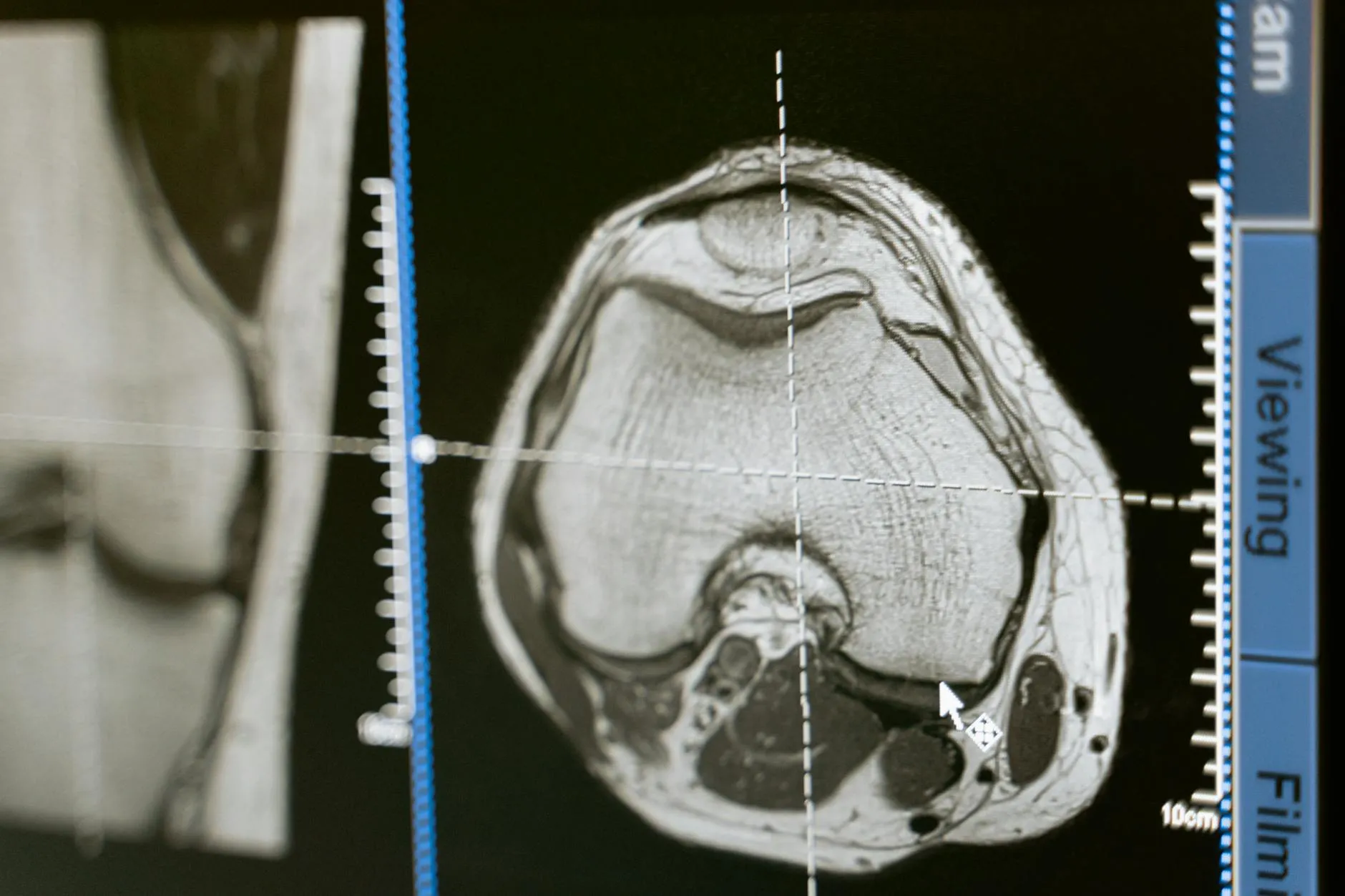
Advances from the Brain Institute in 2026 confirm the mind-body unity.
Psychomotricity
A key discipline where the body is at the heart of psychic care. It restores harmony between what the child perceives, feels, and expresses.
- ✔ Management of rhythm and space
- ✔ Emotional resonance
- ✔ Unity of body perception
The Role of the Psychomotor Therapist
The psychomotor therapist is not just a movement expert. They are a translator. They accompany the child in becoming aware of their bodily unity. Through games, gentle handling, and attention to reflexivity, they help the baby inhabit their body in a serene way.
In this process, the psychomotor therapist ensures that every stage, from discovering their hands to the sitting position, is experienced with pleasure and emotional security. If movement is fluid, the mind often is as well. Conversely, chronic tensions can be a sign of emotional blockages that psychomotor therapy can help to resolve.
Body Perception
Learning to feel the limits of one's body, essential for differentiating oneself from others.
Mental Representation
Transforming a physical sensation into a reassuring mental image of oneself.
Motor Evolution Simulator 2026
Select your baby's age to visualize the major stages of their physical and psychomotor development.
Welcome to the simulator
Click a button above to discover the motor abilities of your child at each key stage of their first year.
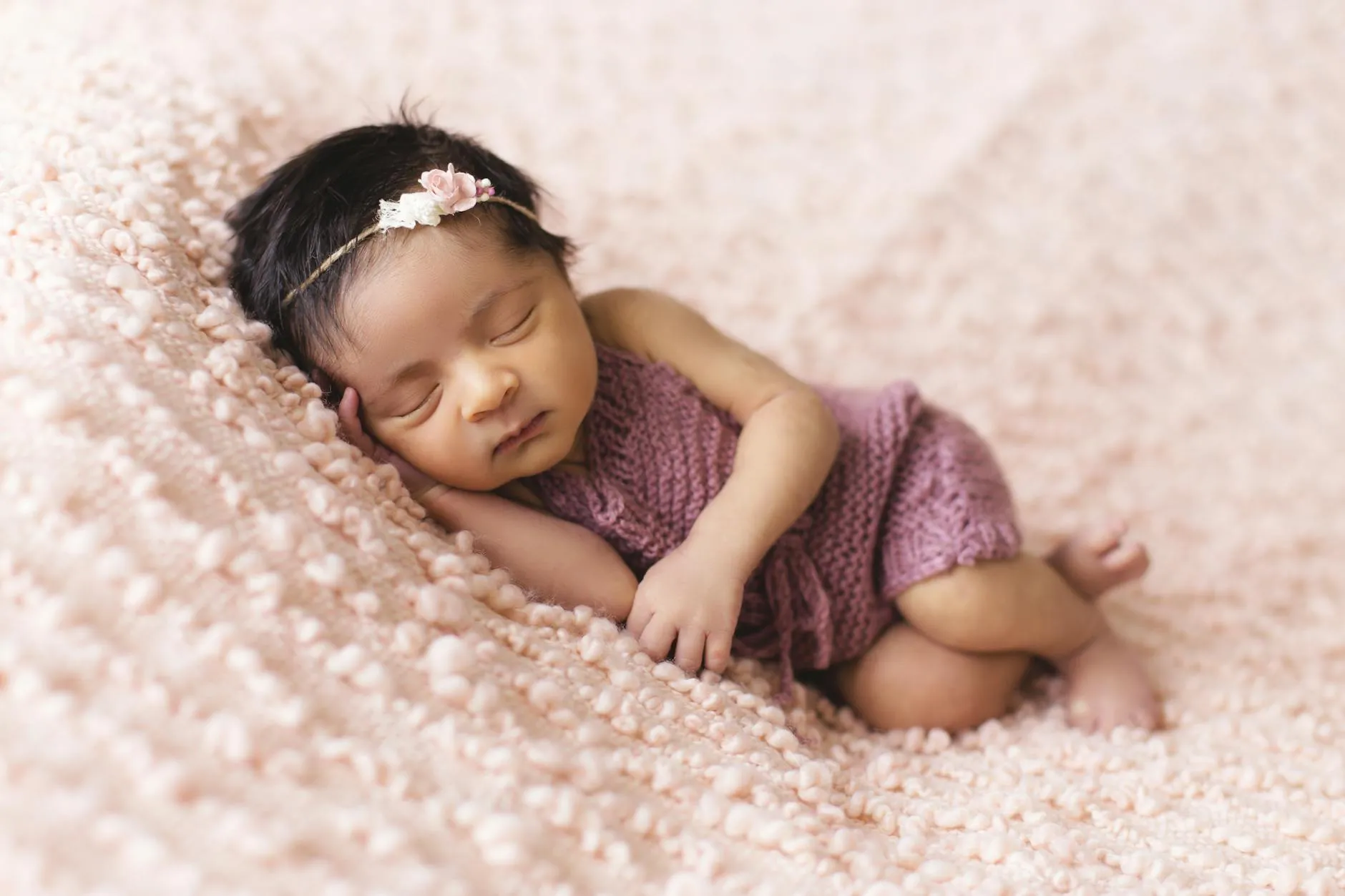
01 Body Schema: The Internal Map
The body schema is a "map" that the brain draws progressively. It is what allows us to know where our foot is without looking at it. For a newborn, this map is still blurred. It is through touch, caresses, and later through fine motor skills, that they begin to color in the outlines of their own body.
A disruption of this schema can cause anxiety or a lack of coordination. As a parent, encouraging sensory experiences (massages, texture games) helps your child build this indispensable psychological stability.
02 Body Experience: The Intimacy of Self
Beyond the technical map, there is the body experience. This is the subjective dimension: "How do I feel in my body?". This experience is colored by the attachment bond. A child held with love and security will develop a positive body experience, feeling "good in their skin."
The role of psychomotricity is crucial here: giving access back to pleasant sensations so that the body is no longer perceived as a constraint or a source of pain (gas, colic), but as a resource for pleasure and power.
The Brain Mechanics of Movement
Planning
The Prefrontal Cortex decides on the action: "I want to grab this rattle." It is the seat of voluntary intention.
Organization
The Premotor Cortex prepares the sequence. It calculates the arm angle and the force needed to grasp the object.
Execution
The Motor Cortex sends the nerve impulse to the muscles. The movement is finally realized in the physical world.
Wilder Penfield's Homunculus
Did you know that your brain assigns much more cortical importance to the hand and the tongue than to the back or legs? This is called the motor homunculus.
For your baby, this explains why hands and mouth are the primary instruments for exploring the world. In 2026, modern imaging (fMRI) shows us that these zones are in constant expansion thanks to brain plasticity. Every time a baby grabs an object, they physically strengthen their neural networks.

The Integrative Approach in 2026
In our contemporary society, stress and early digitalization sometimes favor a mind-body dissociation. Sedentary behavior lurks from a very young age.
Physical activity is not just a matter of muscles; it boosts cognition. Recent studies show that children who move freely in varied environments develop better emotional regulation and increased concentration skills.
Promote natural awakening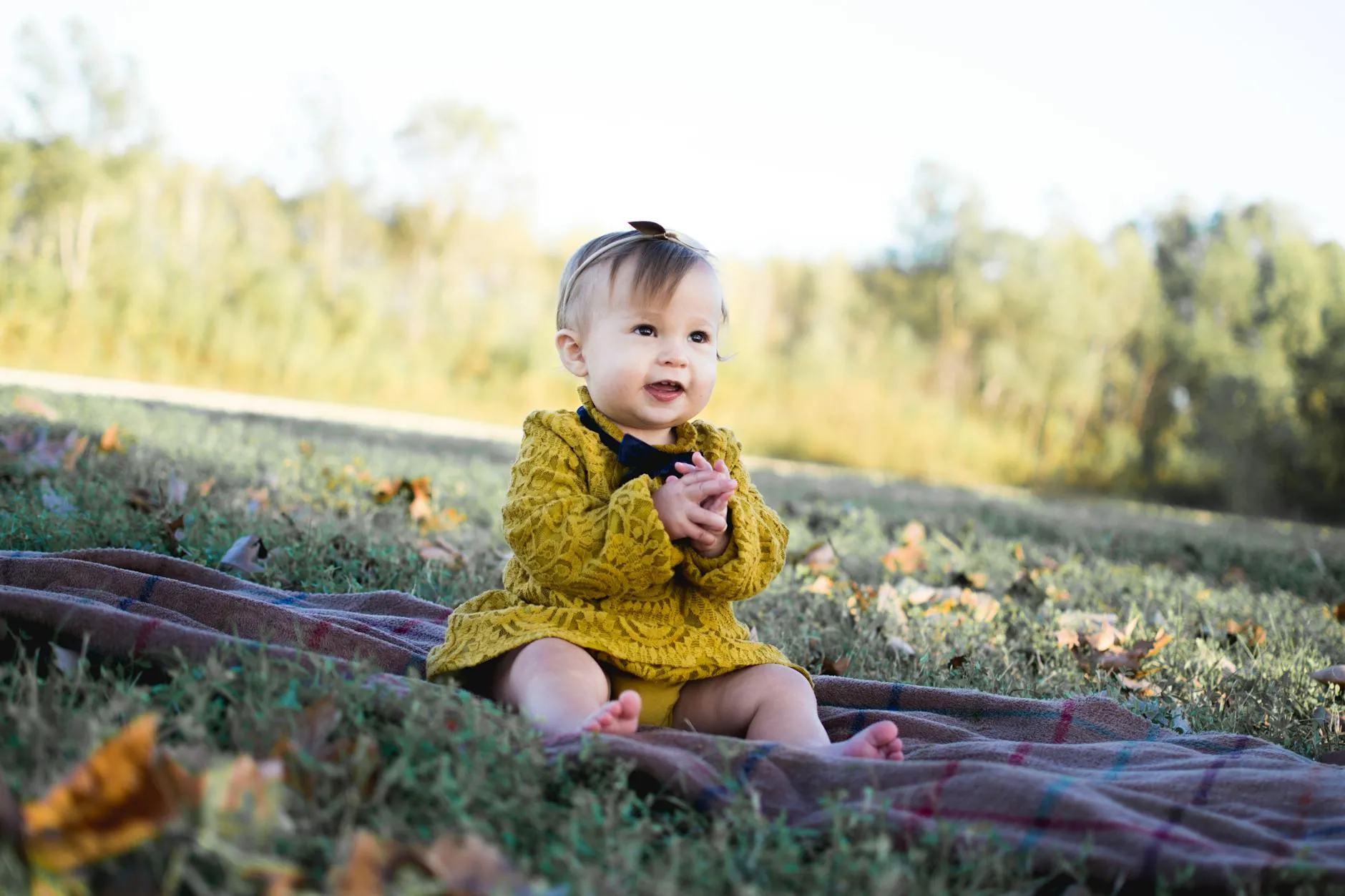
Parents' Words
"I thought my son just had trouble sitting up. By consulting a psychomotor therapist, I understood that his tone was linked to his separation anxiety. Today, everything is more fluid."
"The simulator reassured me. I was afraid my daughter wasn't walking fast enough, but I learned to respect her own pace of discovery."
"Understanding that the body is a 'map' changed everything in how I massage my baby. It has become our favorite connection moment."