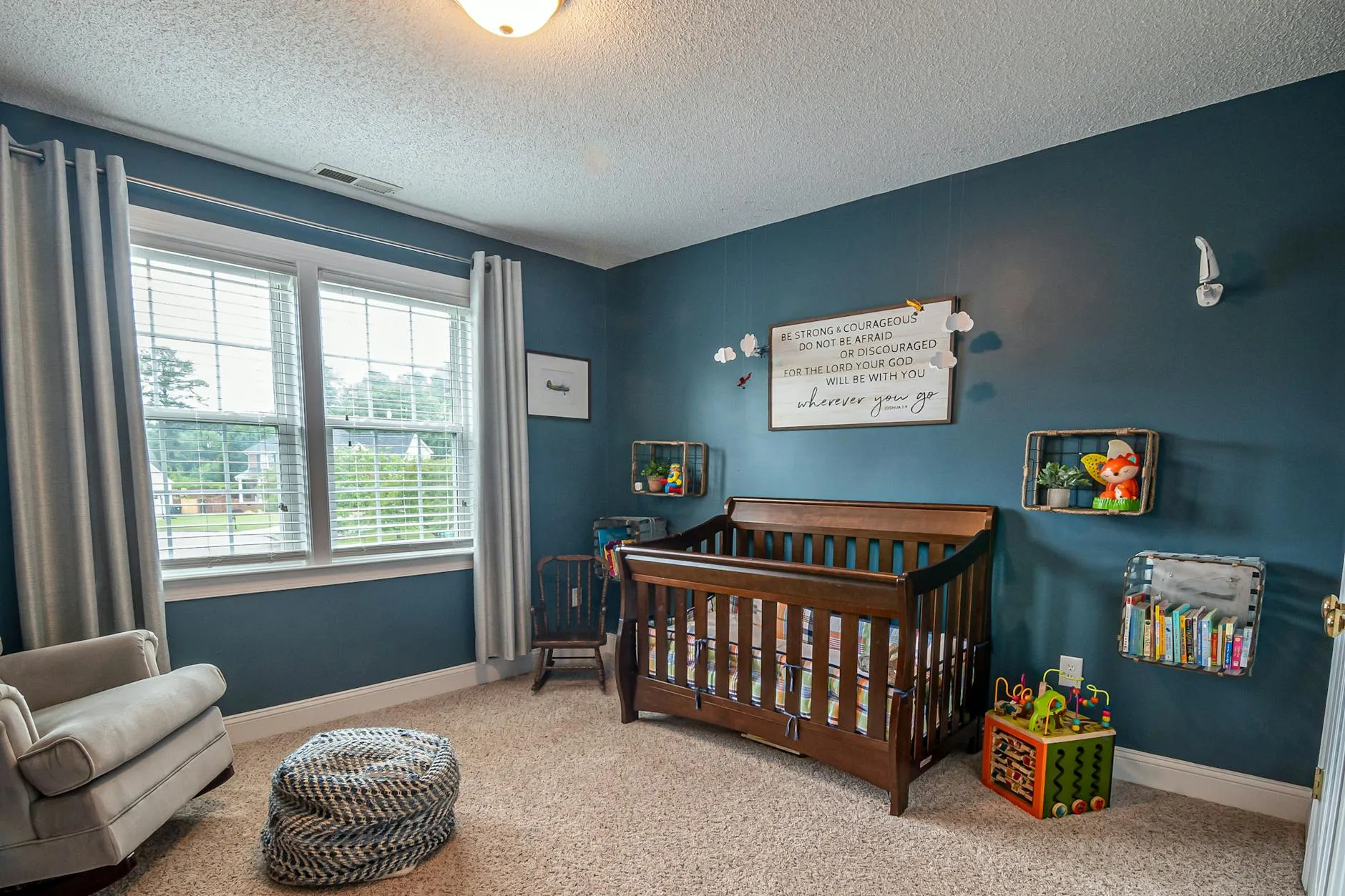
Peaceful baby room
Gentle Support

Rhythm and awakening:
The harmony of the newborn.

In 2026, we know that every child has their own inner melody. Learn to listen to it to transform every day into a serene and shared adventure.

The Internal Clock: Much more than just a schedule

A child's natural rhythm is not limited to the alternation between sleep and meals. It is a complex mechanism, governed by chronobiology, which influences every aspect of their growth. From the first days of life, the child begins to build their biological cycles in close interaction with their environment.

Respecting this individual rhythm means offering your child a foundation of emotional security. It is not up to the child to adapt to a rigid schedule, but up to us, parents and caregivers, to decipher their changing needs. In 2026, science confirms that benevolent flexibility is the key to harmonious development.

Baby's hand
20+

Potential sleep hours at the start

"Awakening is not simply an absence of sleep; it is a window to the world."

Curious baby eyes

The evolution of needs

Every month brings its new rhythmic score.

From 0 to 6 months: Construction

During this period, changes are rapid. At the beginning, a baby at 1 month does not distinguish day from night. Their sleep is fragmented into short cycles of 45 to 50 minutes. Gradually, feeding organization stabilizes and wakeful periods lengthen.

0-2 months Ultra-fragmented sleep
2-4 months Melatonin production
4-6 months 2h wake windows

From 6 months to 3 years

Transition towards a stable rhythm. Naps become more predictable. This is the time when, from 7 to 9 months, motor exploration requires considerable energy.

  • 2 to 3 naps per day
  • Start of evening rituals
  • Longer nights

Beyond 3 years

Reduction in naps but a vital need for "quiet breaks". Sensory overload at school requires decompression periods.

Calm child

Individual Temperament

Never forget that these numbers are averages. Some children are "short sleepers" and very active, while others need long periods of withdrawal to assimilate their learning. Close observation of your child prevails over all manuals.

Smiling baby

Wake Window Simulator

Calculate the ideal time to offer the next nap based on your child's age.

Sleep: Architect of the Brain

Why do we insist so much on rhythm? Because while baby sleeps, their brain works at incredible speed.

The Expert tells you:

"The glymphatic system activates during deep sleep to 'clean' metabolic waste from the brain, thus promoting optimal neuronal plasticity."

1 Memory consolidation

It is during REM sleep that baby processes their discoveries of the day. The connections between their senses and their understanding of the world strengthen. Sensory awakening is only effective if followed by restorative rest.

2 Hormonal Secretion

Growth hormone is mostly secreted during deep sleep. A respected rhythm therefore guarantees not only psychological well-being but also healthy physical growth.

Signs of tiredness vs. Signs of awakening

Signs of tiredness (Act fast)

  • Rubs eyes or ears
  • Fixed gaze, staring into space
  • Sudden or jerky movements
  • Sudden irritability (difficult crying)

Signs of awakening (Playtime)

  • Sustained eye contact and smiles
  • Vocalizations and attempts at language
  • Relaxed but toned body
  • Curiosity about surrounding objects

Pedagogical approaches to rhythm

Montessori

"Follow the child"

The Maria Montessori approach advocates for autonomy. A prepared environment where the child can access their own rest area independently promotes awareness of their own physiological needs. We avoid forcing a nap; we encourage it through calm.

Pikler

Free movement

Emmi Pikler emphasizes respect for the body's natural phases. Lying on the back is preferred to respect the body's axis, promoting muscle relaxation conducive to the transition to sleep or calm wakefulness. See also development & movement.

Reggio

The environment as the third teacher

Here, the rhythm is supported by natural light and sounds. Nature is used to signal temporal transitions to the child, creating a biological clock connected to solar cycles.

Organizing Daily Life

Practical tips for a stress-free setup.

Mother hugging her baby
1

Soothing Rituals

Repetition creates security. A 10-minute ritual (song, massage, dim light) signals to the brain that the transition to rest is beginning.

2

Accessible Rest Area

If possible, install a mattress on the floor (according to Montessori principles) so that the child, as they grow, learns to identify their fatigue without waiting to be carried to a crib.

3

Transition and Breathing

Avoid moving abruptly from a highly stimulating game to bed. Allow for 15 minutes of "downward calm" to lower cortisol levels.

When rhythm is not respected: Understanding without guilt

Sometimes the demands of daily life (work, commutes, appointments) disrupt baby's rhythm. Don't blame yourself. The important thing is to recognize signs of "sleep debt". A child who is too tired produces adrenaline, which makes falling asleep even more difficult.

Sleep disorders

Frequent night awakenings and difficulty falling asleep.

Behavior

Sharper frustrations, intense discharge crying.

Reduced alertness

Less curiosity for new learning.

In group childcare or with a childminder

Balancing the rhythms of several children is a challenge. Good communication with your early childhood professional is essential. Discuss your child's specific needs and their favorite rituals to ensure continuity between home and the childcare setting.

*Tip: Provide a transitional object (security blanket/toy) with the scent of home to facilitate naps elsewhere.*

Children playing together

A balance for the whole family

Respecting your child's rhythm also means giving yourself moments to breathe as a parent. When the rhythm stabilizes, evenings become spaces for the couple or for oneself again.

Flexibility vs. Rigor

A rhythm is not a prison. Allow yourself deviations during family events, as long as the foundation remains solid. A child's resilience is also built through gentle adaptation.

The attachment bond

Responding quickly to signs of fatigue strengthens the attachment bond. The child feels that you understand them without needing to shout their discomfort.

Frequently Asked Questions

My baby only sleeps for 30 minutes per nap, is this normal?

Yes, these are often called "micro-naps". At certain ages, children find it difficult to link two sleep cycles. Try to encourage calm around wake-up time to see if they can fall back asleep on their own.

At what age is the day/night rhythm established?

Generally between 8 and 12 weeks, when melatonin secretion becomes regular. Exposure to daylight in the morning helps immensely in setting the internal clock.

Should you wake a sleeping baby?

Unless there is contrary medical advice (weight gain), we avoid waking a baby. "Sleep begets sleep". However, to protect nighttime sleep, some parents limit late afternoon naps beyond 5:30 PM.