
Newborn Reflexes:
The Mirror of Well-being
From the very first seconds of life, your baby possesses extraordinary skills. These automatic movements, called primitive reflexes, are fascinating evidence of a nervous system under construction.
What are newborn reflexes really?
Newborn reflexes are automatic, involuntary, and stereotyped movements that occur in response to specific stimuli. Present from birth—and for some even in fetal life—they are orchestrated by the brainstem, the most primitive part of our central nervous system.
In 2026, neuroscience confirms that these reflexes are not simple "automatisms" without purpose. They are true clinical indicators used during initial pediatric exams to assess the newborn's neurological integrity.
Their role is twofold: to ensure immediate survival (such as the sucking reflex for feeding) and to lay the groundwork for future motor development. They form the foundation upon which your child will later build voluntary and coordinated movements.

The Catalog of Primitive Reflexes
Each movement has a story, a purpose, and a programmed end. Discover the main reflexes you will observe in your baby.
The Moro Reflex
It is the "survival" response to a sudden noise or a sensation of falling. The baby suddenly spreads their arms in a "star" shape, opens their hands, then brings them back toward their body in an embracing motion.
- Disappearance: Around 3-4 months.
- Utility: Protection and call for help.

Palmar Grasp Reflex
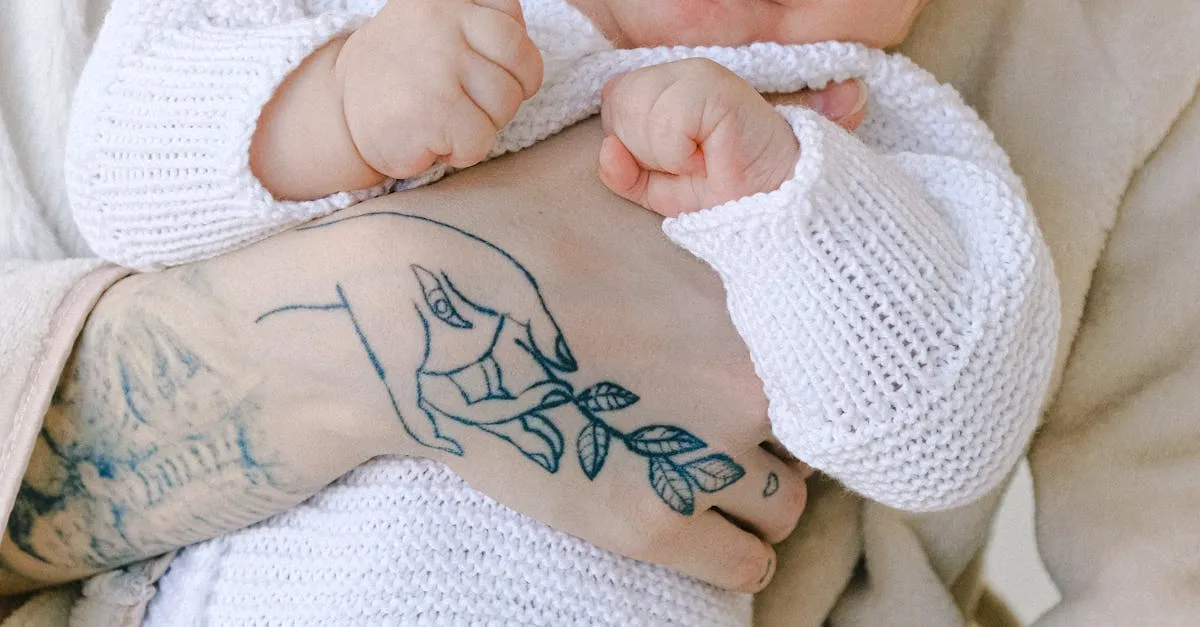
Place your finger in baby's palm: they squeeze so hard they could almost support their own weight. This reflex strengthens the attachment bond.
Sucking and Rooting Reflexes
If you brush your baby's cheek, they turn their head and open their mouth (Rooting). As soon as an object touches their palate, they suck vigorously. Essential for breastfeeding and bottle-feeding.
The Stepping Reflex
Held under the armpits, with feet touching a flat surface, your newborn makes alternating steps, as if already walking. This is the precursor to their first actual steps.
Note: never force this movement, it must remain an observation test.
Simulator: When do these reflexes fade?
Select an age to see which reflexes are normally present or integrated.
Silent Guardians: Defense Reflexes
Unlike primitive reflexes that disappear, certain so-called "defense" or "postural" reflexes settle in never to leave us. They are the guarantors of our physiological safety throughout life.
Eye Blinking
Immediate response to bright light or a rapidly approaching object.
Cough/Sneeze Reflex
Protection of the respiratory tract from a foreign body or irritation.
Yawning
Oxygenation of the brain and regulation of alertness.

From Automatism to Freedom: Integration
Towards the end of the first six months, you will notice a major change: your baby's movements become less "jerky" and more intentional. This process is called reflex integration.
Why do they disappear? Because the cerebral cortex, the "thinking" and "voluntary" part of the brain, gradually takes over from the primitive brainstem. If the grasp reflex didn't disappear, your child would never learn to release an object voluntarily!
A step towards autonomy
This transition is the foundation for all the great steps to come: sitting position, crawling and the exploration of fine motor skills.
If these reflexes persist beyond the age of one, they can sometimes hinder the smooth development of motor or cognitive learning. This is why their caring monitoring by healthcare professionals is so valuable.
When to consult?
Observing your baby should be done with serenity, not anxiety. However, some signs deserve to be shared with your pediatrician during the 1-month baby check-up.
Marked asymmetry
A Moro or grasp reflex that only manifests on one side of the body.
Total absence
If no reflexes are detectable at birth by healthcare staff.
Late persistence
A Moro reflex that is still very vivid after 6 months, which can disrupt sleep.
Unusual stiffness
Limbs that remain in constant tension or refuse fluid movement.
Supporting development gently
Physiological Babywearing
Carrying your child skin-to-skin soothes the Moro reflex and promotes a secure bond, stabilizing their immature nervous system.
Calm Environment
Avoid sensory overstimulation (noise, bright light) which can trigger repeated stress reflex responses.
Floor Time
As soon as they are ready, awake time on a firm mat allows reflexes to be practiced and naturally integrated.
Frequently Asked Questions
Do all babies have the same reflexes? ↓
Yes, the range of primitive reflexes is universal in full-term newborns. In premature babies, some reflexes may appear later depending on their gestational age.
My baby has a very strong Moro reflex, what should I do? ↓
Light swaddling can help reduce startle awakenings caused by this reflex. Also, ensure you lower baby into their bed gently, starting with the feet then the bottom to avoid the falling sensation.
Can reflexes reappear later? ↓
Normally, no. Their reappearance in adulthood is often a sign of neurological pathology. This is why their integration during the first year is a key milestone monitored by doctors.

Experience every stage with confidence
Understanding your baby's reflexes is a first open door to their incredible potential. Continue your journey into your child's development.