Your baby's appearance: A unique beauty to decode
At birth, a newborn doesn't always look like magazine images. Wrinkled skin, sometimes a slightly elongated head, bluish tints... Every detail is a witness to their incredible in-utero journey. Discover how to approach this first look with confidence and serenity.

"Every baby is a miracle of nature, with their own specific features that make them perfect."
The first look: Between surprise and wonder
In this year 2026, science allows us to understand precisely why your child presents certain characteristics at birth. Here is an overview of the most common specificities.
Vernix Caseosa: Golden Protection
If your baby is born covered in a whitish, slightly greasy substance, don't worry! This is the vernix caseosa. A true natural moisturizing cream, it protected baby's skin for nine months in the amniotic fluid. At birth, it serves as a barrier against infections and helps regulate body temperature. It is no longer systematically washed off in maternity wards to allow the skin to absorb it naturally.
Lanugo
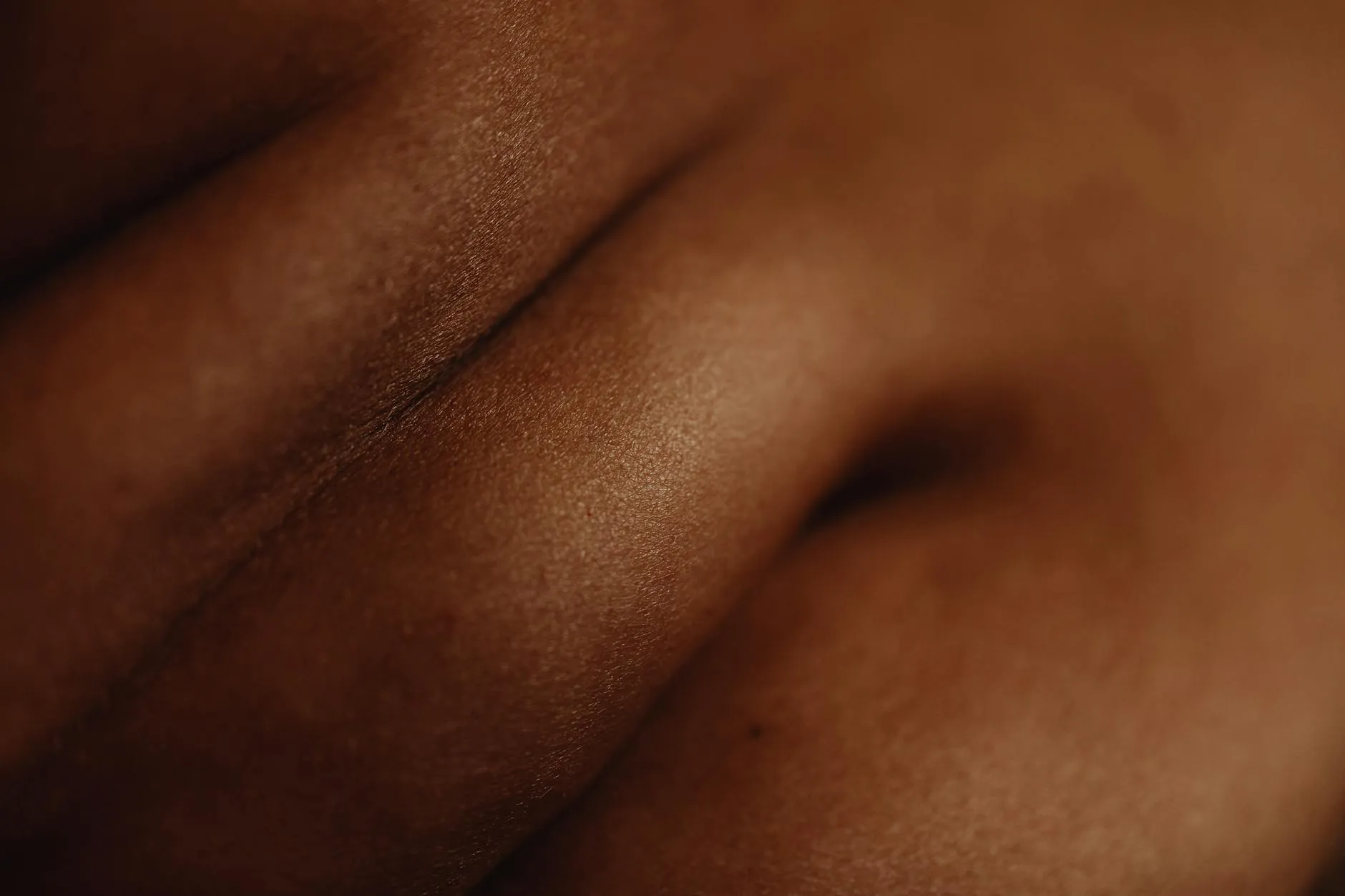
This fine down that sometimes covers the back, shoulders, or temples is called lanugo. Very common in babies born slightly before term, it will disappear on its own in a few weeks.
It is the memory of the softness of the mother's womb.
Bluish extremities
Acrocyanosis is a normal phenomenon where baby's hands and feet appear slightly blue or purple. It's simply the circulatory system adapting to the open air. This regulates quickly.
Head shape
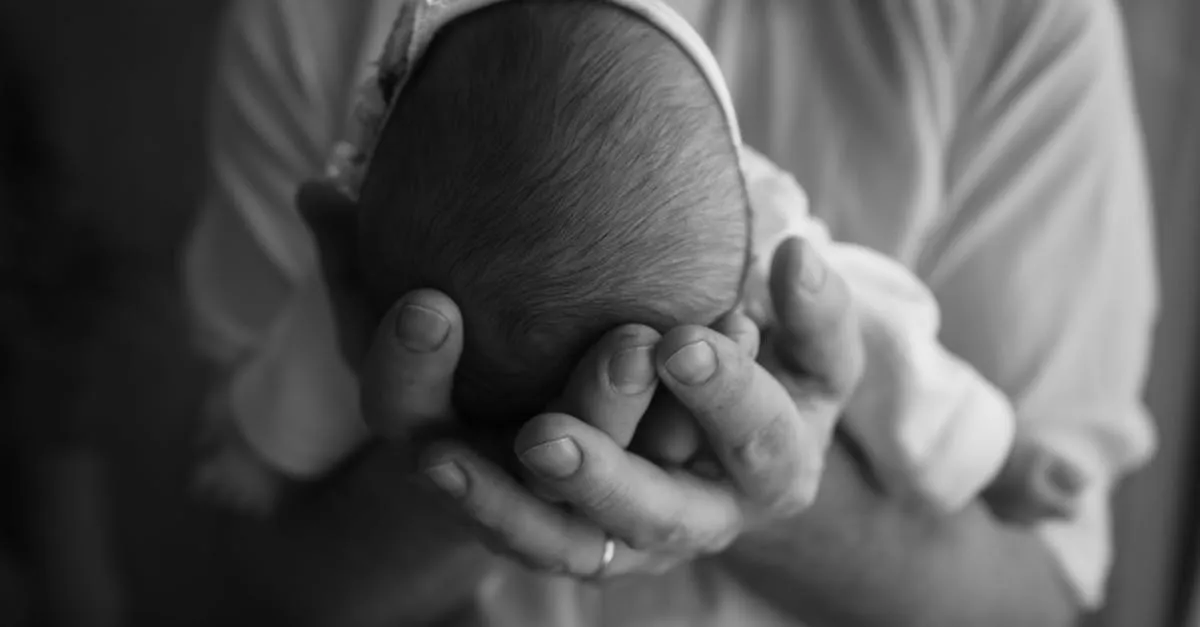
Passing through the pelvis can give the head a slightly elongated or "sugar loaf" shape. The skull bones are not yet fused to allow for this incredible flexibility. Everything will return to normal in a few days. To find out more, consult our guide on initial medical exams.
Visual Evolution: 0-12 Month Simulator
Baby changes at lightning speed. Use our interactive simulator to understand the major transformations in their appearance during their first year.
Newborn
The body is toned but curled up. Skin may be wrinkled. The gaze is vague and eye color is undetermined.

"The mirror of their emotions"
Your newborn's face is a fascinating map. Although their features are still marked by birth, they already carry the seeds of their future personality.
Eyes and Their Color
Most babies are born with blue-gray or dark brown eyes. The final color will only set around 6 months, or even a year. Their eyelids may be swollen for the first few days, a normal effect of the passage at birth.
The Nose and Lips
A slightly flattened little nose? That's normal! The bones are not yet formed. The lips may have small "sucking blisters," signs that baby is sucking vigorously, whether from the breast or a bottle.
Fontanelles
These soft areas on the top of the skull allow the brain to develop. They are covered by a very strong membrane; do not be afraid to touch them during washing.

Beyond the Physical: The First Signals
Archaic Reflexes
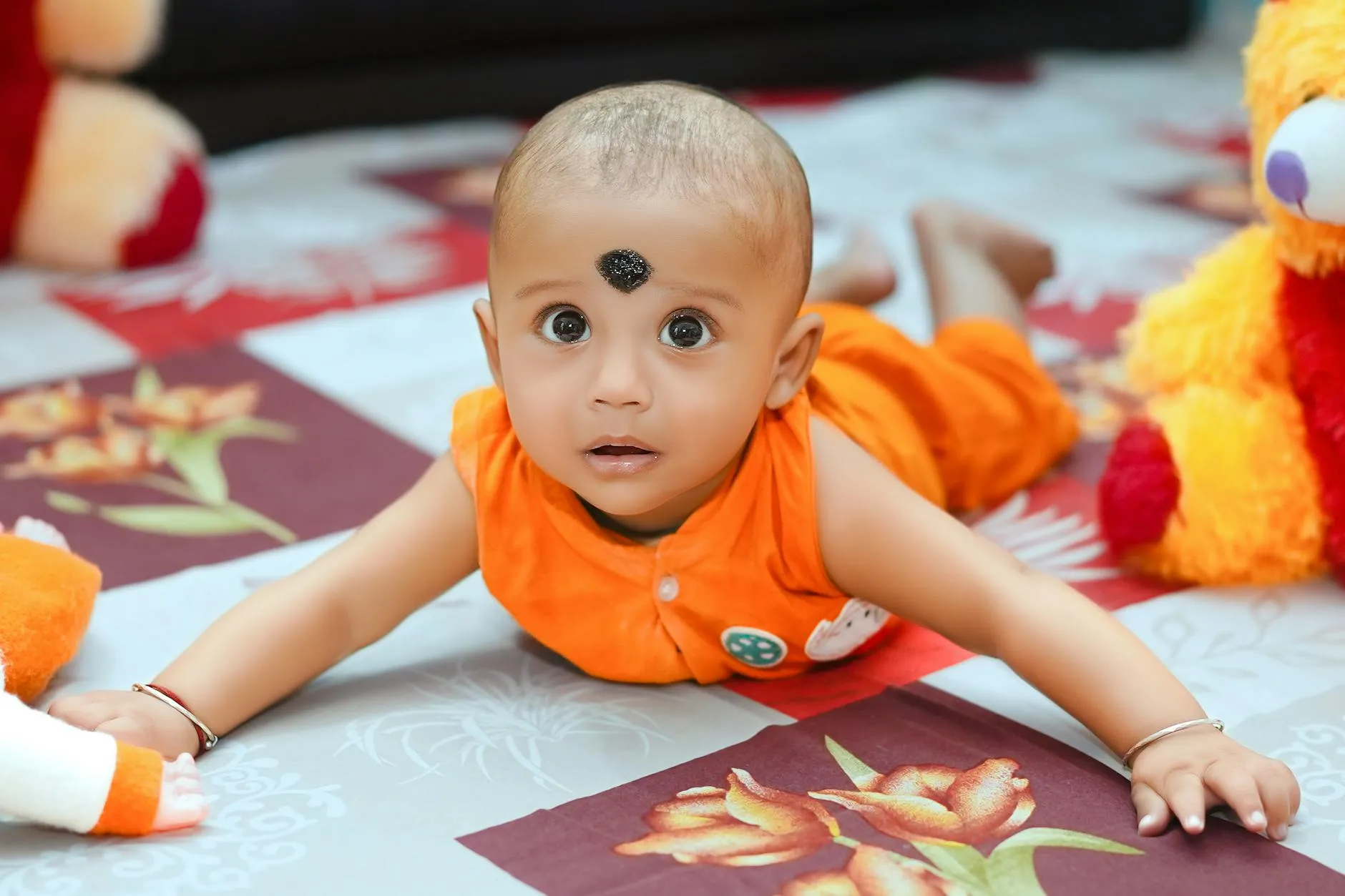
Baby's appearance is inseparable from their way of moving. At birth, they possess a series of involuntary reflexes that are signs of a healthy nervous system.
The Moro reflex (baby spreads their arms if they feel they are tilting), the sucking reflex, or even automatic walking are all fascinating behaviors to observe. For an exhaustive list, visit our page dedicated to birth reflexes.
The First Mimics
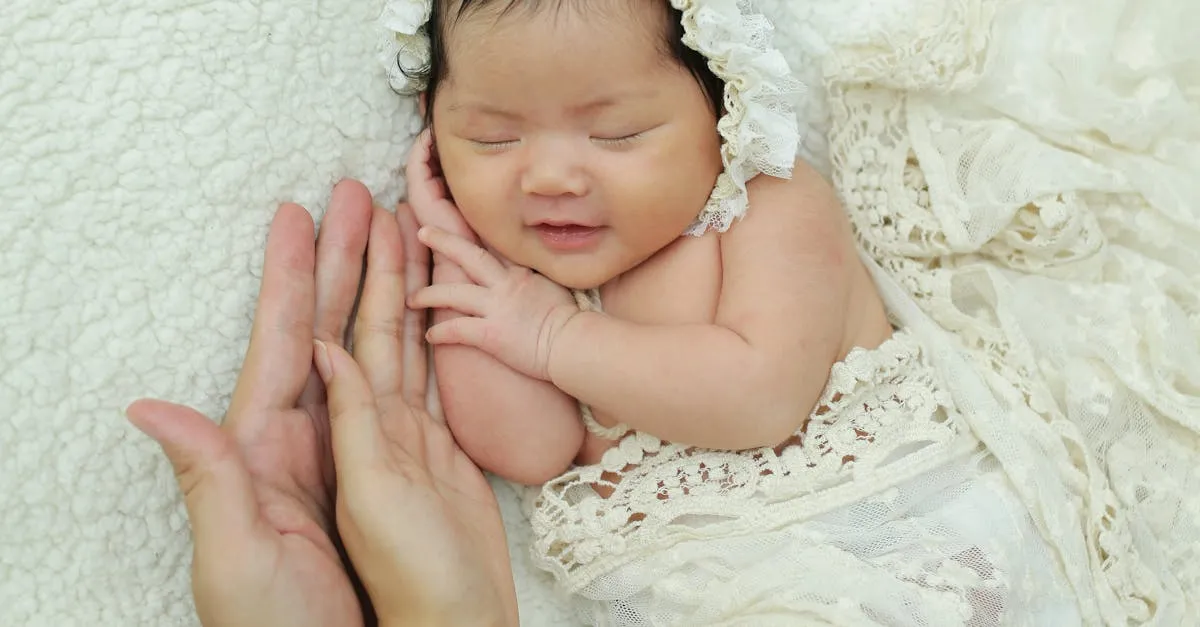
You might observe "angel smiles" during their sleep. These are not yet social smiles, but reflexes of physiological well-being.
From the first days, baby is able to frown, manifest their discontent or serenity through body postures. Learning to decode these signals is the first step of the attachment bond.
"Careful observation of their micro-expressions is the most beautiful language you can learn."
Parents' Questions: Be Reassured
? Baby has small white bumps on their nose, is it serious?
This is likely milia. These are small accumulations of sebum in the skin's pores. This disappears spontaneously without any special care. Above all, do not pop them!
? Why do their breasts seem swollen?
Whether it's a girl or a boy, maternal hormones passed at the end of pregnancy can cause slight swelling of the mammary glands (sometimes with a small drop of milk). This is the "newborn genital crisis," quite normal and temporary.
? Will their hair stay?
Often, birth hair falls out during the first few months to give way to permanent hair. Color and texture can radically change. A baby born with lots of hair can become bald around 3 months before seeing their "real" hair grow. Consult our 2 to 3 months guide to follow this evolution.
? Why do they often have hiccups?
The newborn's diaphragm is still immature. Hiccups are very frequent and do not bother baby at all, unlike adults! It is often a sign of active digestion.
Parents' Words
They lived through these first moments and share their emotion upon discovering their child.
"When I saw my son for the first time, I was surprised by his wrinkled skin and blue hands. Fortunately, the midwife reassured me immediately. In two days, he had already transformed!"
— Marc, dad of Léo (2026)
"His little eyes that changed color every day at the beginning fascinated me. This guide helped me understand that every little detail had its reason for being."
— Sophie, mom of Clara
Ready for the rest of the adventure?
Baby's appearance is only the first page of a wonderful book. Discover how to support their awakening and progress day after day.
Discover our Complete Guide for the First Days for serene parenting.