

In brief:
- Girls’ first names are evolving: 2026 trends show a return to classic sounds combined with more original choices.
- Popular names: Louise and Ambre now top the list, replacing regulars like Jade.
- Choosing a girl’s name: prioritizing simplicity, musicality, and family compatibility makes the decision easier.
- Original names remain sought after for uniqueness, while classic names offer stability and timelessness.
- Tools and resources: consulting official rankings (INSEE) and detailed profiles helps to confront taste with administrative reality.
Top 100 girls’ names: overview of popular names and trends in 2026
The landscape of first names in France is regularly redrawn, and 2026 confirms clear movements among popular names. Records made by civil registration and compiled by INSEE have served as a compass to spot the most significant dynamics. This year, the surprise comes from the fact that names very present in recent years give way to older sounds or more contemporary choices.
Among the highlights: Louise and Ambre now occupy the top places in the ranking, at the expense of former favorites like Jade. Alba climbs steadily and establishes itself durably in the top, while recent entrants like Alma join the top 10, signaling a preference for short and melodious names. These movements show an appetite for names that are both familiar and slightly refreshed — a balance sought by many parents.
Trends are also read through the longevity of names: some classic names remain unbeatable due to their cultural and family significance, while others, more original, experience waves of temporary interest. In 2026, the coexistence of tradition and novelty is especially marked. French names maintain a strong presence, but cultural mixing continues to enrich the choices, with names of varied origins carving out a place in the top 100.
Another practical lesson for future parents: the popular names of 2024 remain good indicators of movements to follow, but popularity evolves. Regular consultation of rankings helps avoid too frequent duplicates within the immediate circle and spot options that are both trendy and offbeat. For example, a couple seeking an original yet familiar name can combine a rare first name with a classic second name to ensure balance.
Finally, for those who wish to deepen an origin or a particular meaning, detailed sheets exist. A useful resource for parents is notably the profile dedicated to less common names, offering etymology, popularity, and variants. A relevant example to consult is the sheet on Lilith: origin and meaning, which nicely illustrates how well-documented research illuminates the final choice.
Final insight: observing the full ranking allows spotting rising names and anticipating whether one wants a very trendy name or, conversely, a more unique one.
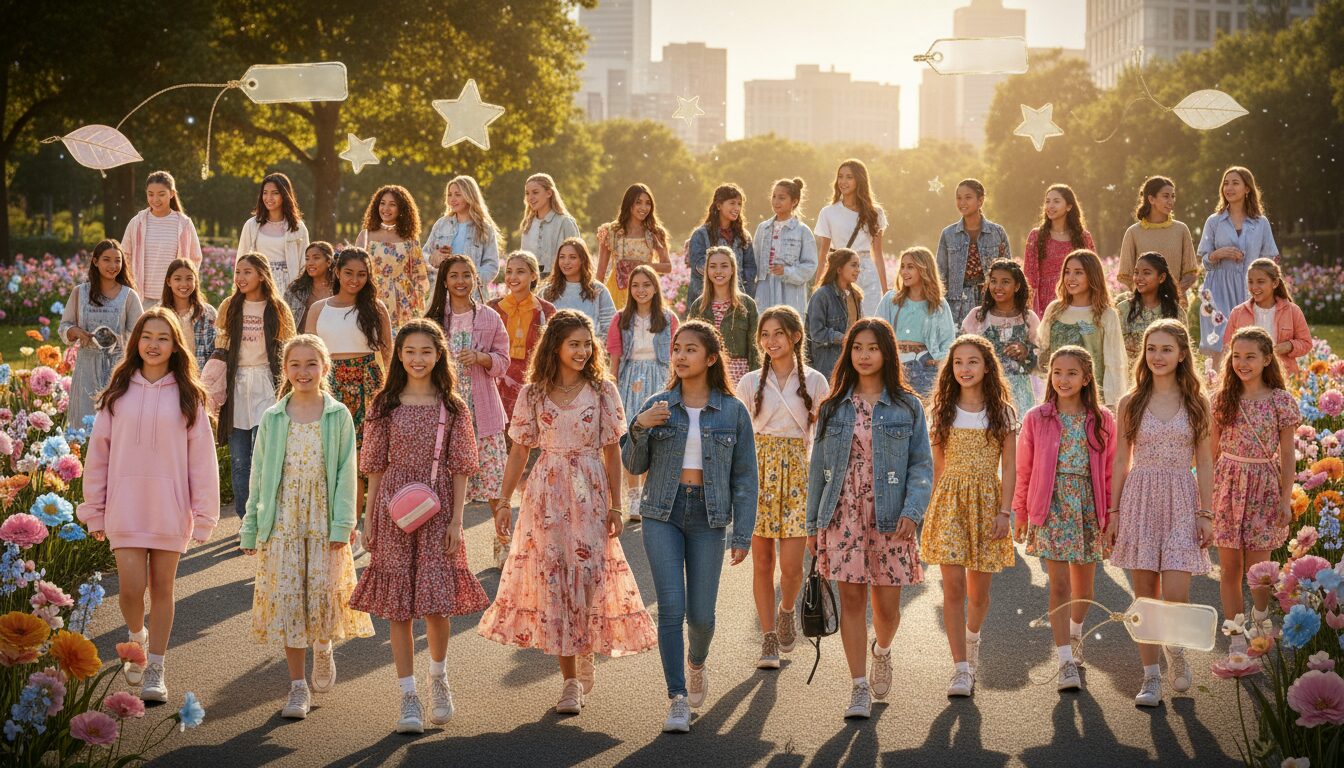
How to choose a girl’s name: practical guide and simple steps for parents
Choosing a name for a little girl can seem difficult, especially when emotion mixes with the desire to make the best choice for the future. A structured guide helps transform this decision into a series of concrete steps, without pressure. First, it is useful to make a broad list, including original names, classic names, and family favorites. This exploration phase clarifies sound and cultural preferences without immediate commitment.
Next, applying some practical filters facilitates sorting. Check pronunciation and spelling: a name that is pronounced differently depending on the language or spelled in multiple ways can be the source of constant corrections for the child. Consider compatibility with the last name as essential: phonetic harmony avoids awkward associations. Finally, imagining possible diminutives helps anticipate daily uses and decide if these forms are suitable.
Another step is to consult official or specialized resources: the top 100 girls’ names, parenting blogs, and etymological profiles provide objective elements. For less common names or those loaded with particular stories, reading a detailed profile — for example about a name like Lilith — allows understanding the cultural scope and associated connotations. Opinions of relatives are useful, but the final choice always belongs to the parents.
Here is a practical list to use as a checklist when choosing:
- Test the full sound with the last name.
- Check possible diminutives.
- Consider spelling and ease of writing.
- Compare current popularity (popular names) with the desire for originality.
- Think about initials and visual associations.
Organizational tip: creating a small comparative table with three columns — “name,” “why we like it,” “potential drawbacks” — helps objectify the discussion and move forward. The neutrality of the table helps overcome impulsive crushes that often change.
Finally, remember that the birth declaration imposes a deadline (a few days after delivery) motivating a decision before birth, but exchanges between parents can continue until then. Sometimes, seeing the baby changes perception and confirms or modifies a choice: this is normal and acceptable. Final insight: a structured method, pragmatic filters, and the use of reliable resources make the choice of girl’s name less anxious and more serene.
Original, rare and classic names: comparison, advantages and concrete examples
The choice between an original name and a classic name rests on different values and priorities. Original names attract by uniqueness and the promise of social uniqueness. They can reduce the likelihood of having multiple children with the same name in a class. However, they may require repeated explanations or suffer from spelling difficulties. On the other hand, classic names offer immediate recognition, a strong cultural anchor, and often timeless elegance.
Concrete examples help to project: a family choosing a rare name like Imaé or Zélie can create a marked identity for the child, with a low risk of confusion in early childhood. Another family preferring a classic name like Claire or Victoire bets on social and professional stability later. The arguments for each choice rely on how the name fits into the family history and immediate social network.
The choice can also depend on origin and meaning. Many parents consult etymological roots to reinforce the intention behind the name. For example, some names with a Latin or Greek resonance bring a particular cultural connotation, while names of foreign origin can celebrate a dual family identity. Access to detailed profiles allows verifying the relevance of a name in its cultural context.
Here is a small synthetic comparison table allowing quick evaluation of several aspects:
| Criterion | Original name | Classic name |
|---|---|---|
| Visibility | High (unique) | Moderate (widespread) |
| Ease | Variable (possible spelling) | Often simple |
| Cultural weight | Specific | Universal |
| Durability | Uncertain (faddish) | Long (timeless) |
A practical case illustrates the dilemma: a couple hesitates between “Capucine” (classic, soft, somewhat retro) and “Séréna” (rarer, musical). After weighing the options, they keep “Capucine” as the first name and reserve “Séréna” as a middle name, thus ensuring originality and administrative security. This mixed solution is often recommended by early development professionals, as it protects the child from social pitfalls while respecting the parents’ desire for originality.
Final insight: the “original + classic” compromise in combined names allows benefiting from the advantages of each option while limiting drawbacks.
Short names, trendy names and French names: sound, daily use and practical trends
Short names remain very popular among parents, especially because they are easy to call, write and adapt into diminutives. The rise of brief names like Alma, Alba or Nina is explained by this practicality. Short names adapt well to daily life and are compatible with long or compound last names.
The notion of trendy names groups names that benefit from renewed interest, often influenced by public figures, series or cultural waves. The observed phenomenon where Jade was dethroned shows that name trends are fluid and sensitive to media influences. Understanding this mechanism helps anticipate whether a chosen name will be very common in a few years or remain moderate.
A concrete point for practical parents: short names also favor sound for language learning in the baby. Monosyllabic or bisyllabic names are quicker to pronounce and sometimes easier to remember for young siblings. In neonatology, professionals sometimes notice that names with clear sounds integrate more quickly into family routines.
Moreover, the preference for French names is due to the historical richness and musicality inherent to the language. Names like Louise, Claire, or Victoire carry positive cultural weight and immediate recognition. For families wishing to marry tradition and modernity, choosing a classic French name with contemporary spelling is an effective strategy.
Practical advice: test the name in various contexts (calls, school lists, social networks) to detect unexpected reactions. Also consider international variations if the family is mobile or multicultural. A name that sounds good in several languages facilitates exchanges and avoids undesirable alterations.
Final insight: short names and trendy names often respond to practical and aesthetic needs; their combination with classic French names can offer the best of both worlds.
Resources, tools and tips to explore the 100 most popular girls’ names
Accessing an organized and reliable selection is essential to refine one’s choice among the 100 most popular girls’ names. Official databases, specialized search engines, and etymological profiles provide information on usage frequency, origin, and spelling variants. To save time, several online resources offer filters by origin, length or popularity.
A useful tool consists of creating a small notebook or shared document to note “crushes” and comments from the circle. This method fosters collaborative decision-making and allows keeping track of preference evolutions. At the same time, consulting reference articles helps better understand trends: for example, publications analyzing the popular names of 2024 give clues about the probable trajectory of names for 2026.
Here is a list of concrete actions to try now:
- Consult the official INSEE ranking to spot recent movements.
- Use a specialized search engine to filter by origin or sound.
- Test the name aloud with the last name.
- Ask relatives to write the name to verify spontaneous spelling.
- Read a detailed profile to understand the meaning and history of the name.
Finally, maintaining a caring and guilt-free approach is paramount. The choice of a name alone does not determine the course of a life; it offers an identity framework. Parents are encouraged to privilege a choice that resonates with their values and family history. The site La Vie de Bébé offers resources and practical sheets to support this journey, combining expertise and gentleness — a useful support to alleviate guilt and guide decisions.
Final insight: combining official tools, practical tests and family reflection transforms an anxious task into a creative and serene step to welcome baby.
How to know if a name is too popular?
Checking the INSEE ranking or name databases allows estimating the frequency of a name. If a name appears regularly in the top 10 or top 50, it is considered very popular. Asking the immediate circle also helps measure the local frequency.
Can you give an original name without risk?
Yes, provided you anticipate spelling, pronunciation, and diminutives. An original name can be perfectly suitable if parents have thought about its practical and social robustness. In case of doubt, combining originality with a more classic second name is a frequent solution.
Should you prioritize a short name to facilitate learning?
Short names are often easier to pronounce and remember for young children, but this is not an absolute rule. The choice should also consider sound, spelling and compatibility with the last name.
Where to find reliable information on the origin of a name?
Etymological sheets, official publications and specialized sites such as parenting blogs and reference resources offer reliable information. Consulting several sources allows confirming origin and meaning.