
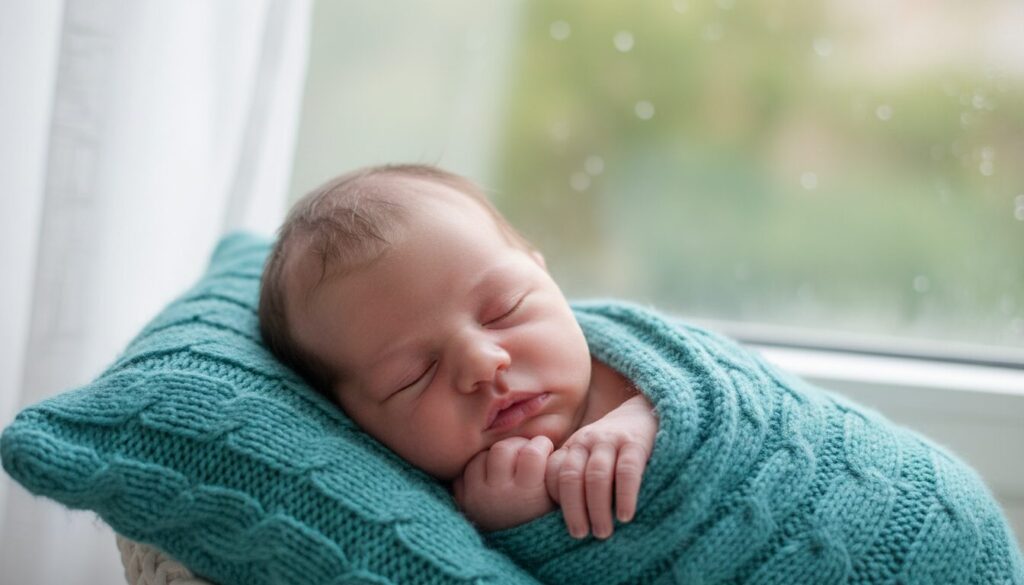
In brief
- First name Émile: a name rooted in European history, borne by famous writers and politicians.
- Origin and etymology: derived from the Latin Aemilius, associated with perseverance and ardor.
- Meaning: nuances between “rival,” “enthusiast,” and “hard worker,” often symbolized by turquoise.
- Popularity: peak in the 19th century, decline in the mid-20th century, and gentle resurgence in the 21st century, especially among parents seeking a classic and warm first name.
- Personality: tendency to dream, artistic sensitivity, and perseverance; parental support aims for kindness and concrete landmarks.
History and origin of the first name Émile: roots, evolutions, and historical contexts
The historical journey of the first name Émile can be read as a small European chronicle. Originating from the Latin family name Aemilius, used in Antiquity, this name has crossed centuries carrying different uses and values depending on the era. During major historical periods, it was often associated with families valuing work and social commitment.
In the 19th century, the name enjoyed particular visibility thanks to public figures. Among them are literary and political personalities who helped anchor Émile in collective memory. Readers easily recognize names like Émile Zola, whose work marked literature and social debate, as well as other authors and public life actors who bore this name with varying shades of meaning.
The popularity of the name is also explained by its integration into written culture: novels, correspondences, and newspapers from the 19th and early 20th centuries feature characters named Émile, often portrayed as persevering and imbued with a certain sensitivity. This literary representation enriched the social perception of the name as both intellectual and humane.
At the same time, cultural migrations and European linguistic exchanges gave the name similar forms and local adaptations, but the Latin base remains recognizable. The movement of ideas and the generalization of modern civil registration stabilized usage, making Émile common in French and Francophone records for several decades.
Concrete elements illustrate this evolution: at the turn of the 20th century, a significant birth rate of children named Émile is observed in official French records. This phenomenon is linked both to the diffusion of literature and the notoriety of public personalities. Then, in the mid-20th century, diversification in naming tastes led to a relative decline.
Finally, the current rediscovery of classic names and the desire to pass on a name laden with history explain the recent resurgence. Young parents today seek first names that combine tradition and gentleness, and Émile often meets these criteria. This historical trajectory shows how a name can carry layers of meaning, emotions, and social expectations, while remaining adaptable to contemporary uses.
Key phrase: the first name Émile illustrates how personal and collective history meet in a simple name, bearer of identity and memory.

Meaning and etymology of the first name Émile: simple and useful decoding for parents
Confronting etymology and contemporary usage helps in better choosing a first name for a child. The first name Émile finds its roots in the Roman name Aemilius, historically linked to patrician families. The commonly accepted meaning refers to notions such as “rival” or “one who excels,” although some sources evoke the idea of ardor and a burning desire to accomplish.
For parents, translating these roots into concrete images facilitates the decision. Imagining a little boy named Émile can evoke a tenacious personality, inclined towards creativity and the search for inspiration. The turquoise, a precious stone traditionally associated with the name, symbolizes serenity and protection, reassuring qualities for parents seeking meaning.
Beyond definitions, the social and emotional significance matters a lot. In daily practice, a name like Émile carries a behavioral promise: one often expects from an Émile a capacity for perseverance, an inclination for artistic activities, and a need for a secure environment. This is not determinism but a useful framework to support the child.
Concrete example: facing a young sensitive and dreamy child named Émile, recommended parental gestures include regular artistic activities, gentle bedtime routines, and calm encouragement to help structure his days. These simple-to-apply practices correspond well to the echo of etymology while respecting the child’s uniqueness.
It is also relevant to mention how meaning evolves over time. An old name takes on a new color when chosen today: it becomes the starting point of a contemporary family story. Parents can draw inspiration from the symbolism without feeling constrained; kind support makes all the difference.
Finally, for families who like tangible symbols, associating objects with the name (like a turquoise comforter, a mobile with azure tones) strengthens the sense of identity and security in the baby. These small practical attentions are part of a caring and structuring approach.
Key phrase: understanding the etymology of the first name Émile offers a kind framework to nurture the child’s identity without imposing a fixed path.
Popularity, evolution, and cultural presence of the first name Émile: figures, usages, and references
The journey of the popularity of the first name Émile reflects social and aesthetic movements. Historically high in the 19th and early 20th centuries, the name then experienced a relative eclipse, before regaining a gentle place in 21st-century parental choices. This dynamic reflects a contemporary desire for classic names brought back into fashion.
To provide concrete landmarks, here is a synthetic table juxtaposing some famous personalities who marked the image of the name and periods of usage:
| Name | Life | Role / Field |
|---|---|---|
| Émile Zola | 1840-1902 | Novelist and journalist, icon of naturalism |
| Émile Erckmann | 1822-1899 | Writer, often associated with the Lorraine region |
| Émile Loubet | 1838-1929 | Politician and lawyer |
| Émile Blondet | born in 1802 | Literary character and cultural figure |
These references help to understand why the name remains evocative. Parents who appreciate literature or cultural history may be attracted to this symbolic link. Moreover, the presence of Émile in various artistic forms and texts contributes to its timeless appeal.
Practically speaking, recent trends (2010-2020) show a moderate comeback: young couples choose Émile for its familiar yet elegant side. The search for authenticity and preference for names respecting linguistic heritage explain this evolution. This phenomenon is also observed among audiences sensitive to culture and family history.
The cultural dimension also expresses itself in activities offered to toddlers. To stimulate the creativity of a child named Émile, accessible and fun resources exist, such as coloring pages or easily printable manual activities. For example, for calm moments suited to toddlers, it is possible to use free materials like printable octopus coloring pages to develop motor skills and concentration.
Finally, popularity can be measured not only by national statistics but by the way a name fits into daily life and family rituals. Giving a symbolic gift at birth, for instance, can strengthen this bond; simple homemade gift ideas are often very appreciated and reflect the attention given to the name. A source of practical suggestions is available for those seeking inspiration: homemade gift ideas.
Key phrase: the popularity of Émile combines cultural heritage and contemporary expectations, making it a name both reassuring and renewed.
The above video offers a visual insight into one of the figures who shaped the perception of the name.
Personality of the first name Émile: observed traits and practical advice to support the child
The character descriptions associated with first names are cultural syntheses rather than certainties, but they remain useful for proposing adapted educational gestures. The personality traditionally associated with Émile combines sensitivity, creativity, and perseverance.
Concretely, a child named Émile may show a taste for artistic activities, a propensity to dream, and some fragility in facing conflict. The tendency to scatterbrained behavior requires gentle organization, based on simple routines and clear markers. This involves bedtime routines, small visual lists for daily tasks, and frequent encouragement.
Practical advice — establishing daily landmarks
Problem: the child is dreamy and easily loses belongings. Solution: set up colorful boxes to store toys and clothes, with a playful ritual at the end of the day. Example: saying a short and affectionate phrase before tidying up can turn the act into a game and reinforce autonomy.
Problem: sensitivity to remarks. Solution: favor constructive feedback, formulated positively, and value effort rather than results. Example: replace “you missed” with “what perseverance, we see your progress.”
- Gentle routine: regular schedules, soothing bedtime rituals.
- Creative activities: drawing, music, modeling clay to channel imagination.
- Patient supervision: break tasks into small steps and use visual aids.
- Speaking time: establish a daily moment when the child can express emotions.
These tools are simple to apply and have a concrete impact on the baby’s well-being and the parents’ serenity. They help transform traits perceived as fragilities into lasting strengths.
Case example: the Martin family, expecting a little boy named Émile, chose to create a workshop corner with accessible materials. Result: in a few weeks, the child gained concentration and confidence during quiet moments. This anecdote illustrates how practical adjustments change family dynamics without pressure.
Key phrase: supporting an Émile means offering gentle landmarks and creative opportunities so that sensitivity becomes strength.
What is the origin of the first name Émile?
The first name Émile comes from the Latin Aemilius. It is historically associated with Roman families and was popularized in Europe at different periods, notably in the 19th century.
What does Émile mean?
The commonly given meaning refers to notions such as ‘rival’ or ‘one who excels’, but interpretations focused on ardor and perseverance are also encountered. These meanings are cultural markers rather than determinisms.
How to support a child named Émile daily?
Encourage kind routines, offer regular artistic activities, and use visual aids to channel scatterbrained behavior. Valuing effort and creating daily speaking times improve confidence and autonomy.
Is the first name Émile still popular in 2026?
Émile is experiencing a moderate resurgence in recent years: a choice of parents sensitive to cultural heritage and the charm of classic names. Its popularity varies according to regions and family preferences.