
In brief:
- Cervelas is a cooked charcuterie, but consumption when cold can involve risks if storage or packaging has been faulty.
- To ensure food safety, reheat cervelas to 70°C in its core or cook for 10–15 minutes according to the method.
- Cervelas provides proteins, iron, and vitamin B12, but also contains salt, fat, and additives: consume in moderation.
- Avoid certain foods to avoid during pregnancy (pâtés, raw ham, sausage) and prefer cooked and well-preserved products.
- If worried after ingestion (fever, visual disturbances, vomiting), consult quickly; most serious infections are rare and treatable if detected early.
Can you eat cervelas while pregnant? Food safety rules to know
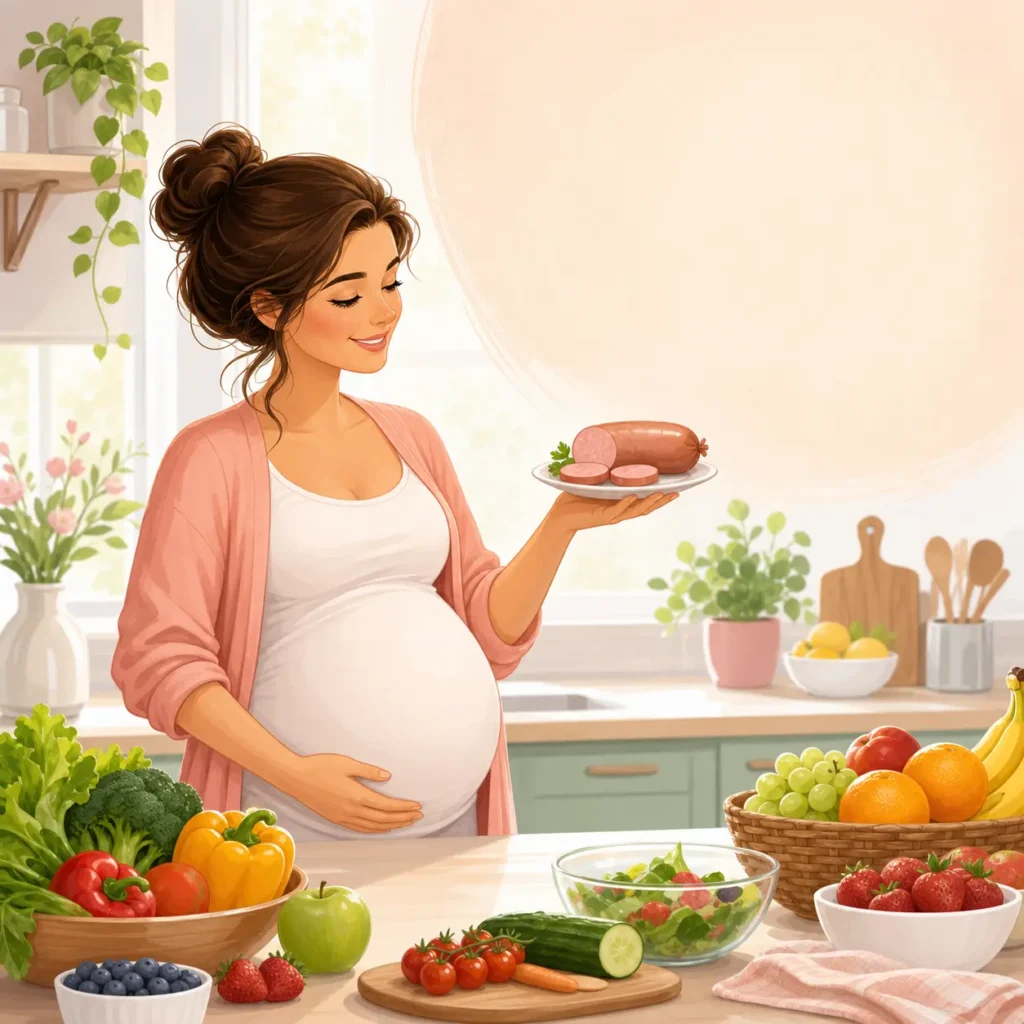
Cervelas is often presented as a cooked charcuterie: this means it was prepared and heated before packaging. This information is central for the expectant mother who seeks to limit microbiological risks during pregnancy.
However, practical reality requires looking beyond this label. Food safety depends not only on the initial cooking stage but also on the cold chain, packaging (vacuum-packed or loose), and shelf life after purchase.
Why initial cooking is not always enough
A cooked preparation can become risky if poorly stored. For example, a vacuum-packed cervelas kept several days at inadequate temperature can allow bacteria such as listeria bacteria to develop or, more rarely under poor sterilization conditions, the germ responsible for botulism.
Toxoplasmosis, which concerns many parents, is generally linked to raw or undercooked meat and certain domestic handling. Cervelas, being a cooked sausage, is less concerned by toxoplasmosis if the preservation chain has been respected. This does not exclude caution: if the product is consumed cold, the common recommendation is to reheat it.
Simple and concrete practical advice
To turn uncertainty into a concrete action: reheat the cervelas slice for 10 minutes in a pan or 15 minutes in the oven at 180°C. The goal is to reach an internal temperature of at least 70°C. In the kitchen, a food thermometer makes this check simple and reliable.
Another point to check when buying: the label. Prefer a product from a known producer and verify the use-by date. In case of swollen packaging, suspicious odor, or abnormal texture, it’s better to discard it without guilt.
Concrete example: Claire, 24 weeks pregnant, received cervelas slices as a starter during a family meal. She chose to pass them through the pan for 10 minutes before tasting. This small action reduced her worry and respected the practical rule: reheat to secure.
Insight: Preference for cooked products, vigilance on preservation and systematic reheating transform a potentially risky food into an acceptable choice during pregnancy.
Cervelas and pregnancy: nutritional values, benefits and limits
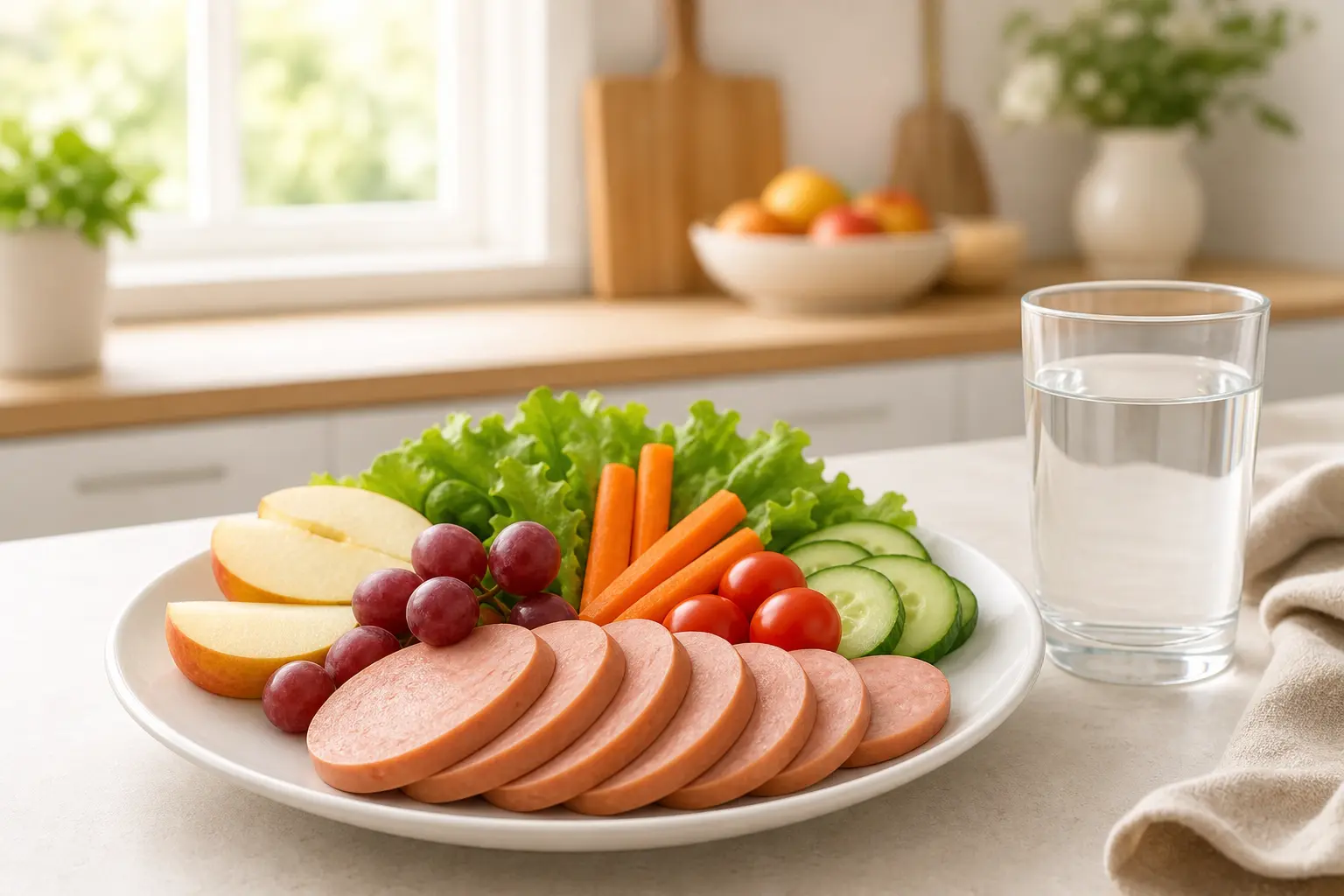
The choice of a food during pregnancy is made based on its nutritional density and potential effects on maternal and fetal health. Cervelas has strengths but also limits which are important to evaluate for a balanced diet.
Interesting contributions for the pregnant woman
Cervelas provides proteins useful for the development of maternal tissues and the future baby. It also contains iron, essential to prevent pregnancy anemia, and vitamin B12, important for blood cell formation and neurological development. In certain traditional recipes, the addition of brain (present in some variants) provides phosphorus, a mineral necessary for proper brain and bone function.
These contributions must however be contextualized: the amount of iron or B12 provided by a cervelas portion complements a global dietary strategy but does not offset an unbalanced diet.
Limits and downsides
Cervelas is often rich in salt and saturated fats. For a woman with already high cholesterol levels or gestational hypertension, regular consumption may be discouraged. Additives present in industrial products (nitrites, stabilizers) should also be considered, especially if consumption is frequent.
Finally, although rare, exposure to botulism via poorly packaged or poorly sterilized cans is possible. This relates to food safety and not just nutrition.
Comparative table: advantages vs limits of cervelas during pregnancy
| Aspects | Advantages | Limits / Risks |
|---|---|---|
| Nutrition | Source of proteins, iron, vitamin B12 | Content in salt and saturated fats |
| Safety | Originally cooked product | Risk if poor storage (listeria, botulism) |
| Practicality | Easy to prepare, appreciated taste | Presence of additives in industrial versions |
Practical recommendation: include cervelas occasionally, preferably reheated, and consider it as a complement among other sources of iron (legumes, cooked lean meat, supplements if prescribed) and B12.
Insight: Cervelas provides useful nutrients but should not replace varied sources and low-salt foods to preserve maternal-fetal health.
How to reheat and cook cervelas safely during pregnancy
Turning a slice of cervelas into a safe preparation is often quick and accessible, even after a long day. Here are concrete, tested, and reassuring methods.
Practical steps for effective reheating
- Remove packaging and visually inspect the product (odor, texture, swollen packaging).
- Preheat the oven to 180°C for even cooking.
- Place sliced cervelas on a rack or dish, and cook 12–15 minutes, until reaching 70°C in the core if possible.
- In a pan, cut into slices and sauté 8–10 minutes over medium heat to even out reheating.
- Serve hot or warm immediately, without leaving the product several hours at room temperature.
This list of simple actions limits risks linked to cold consumption and offers a tasty and safe dish.
Adapted and quick recipe ideas
A popular family option is Alsatian-style cervelas: cut mini cervelas in half, insert a slice of low-salt cheese, wrap in bacon (or skip to reduce fats) and bake. Served with steamed potatoes, it is a comforting winter meal.
For a light starter, sauté cervelas slices and place them on a warm salad of lentils, celery, and fresh herbs. The protein-legume combination promotes a balanced diet and diversifies iron intake.
Logistical tip: if purchased vacuum-packed, open the packaging and cook quickly after opening. Avoid rinsing charcuterie under water: this does not reduce bacteria and damages texture.
Insight: Reheating cervelas is a quick and effective action that reduces risks and allows you to enjoy flavors without anxiety.
Microbiological risks: understanding listeria, toxoplasmosis, and botulism to better prevent
Fear of foodborne infections is common among expectant parents. Knowing how to distinguish infectious agents, their symptoms, and preventive measures helps to make calm decisions.
The listeria bacteria: monitoring and simple actions
Listeria can develop at low temperatures and is sometimes found in poorly stored processed products. In pregnant women, an infection can cause serious complications, hence the importance of avoiding risky foods. Warning signs include fever, aches, and digestive symptoms. If these signs occur after consuming a suspicious product, contact a health professional quickly for care.
Preventive measures: prefer well-cooked products, respect use-by dates, and avoid loose products of uncertain origin.
Toxoplasmosis and raw meats
Toxoplasmosis is mostly linked to consumption of undercooked or raw meat and certain animal contacts. Cervelas, originally cooked, poses low risk, but poor preservation or cross-contact with raw meat can increase it.
Example: Claire prepared a charcuterie platter after thawing raw meat. Inadvertently, an uncleaned board was used for cervelas. This caused legitimate concern, corrected by washing and reheating the concerned pieces.
Botulism: rare but serious
Botulism comes from a toxin produced by Clostridium botulinum in poorly sterilized anaerobic environments (canned goods, some poorly treated vacuum products). Symptoms include vision problems, dry mouth, difficulty swallowing, and potential paralysis. If neurological signs appear after consuming a suspicious product, consult emergency services without delay. The good news: with early diagnosis, treatment greatly reduces serious risks.
Insight: Understanding transmission modes and quickly recognizing symptoms turns anxiety into concrete and effective actions to protect mother and baby.
Safe alternatives, shopping tips and balanced diet during pregnancy
When cervelas is not desired or when extra caution is sought, several alternatives preserve protein and iron intake without increasing risks.
Recommended alternatives
- Cooked ham: cooked product, often lower in salt and practical for sandwiches after checking preservation.
- Mortadella: also cooked, consume in moderation due to salt and additives.
- Non-meat sources of iron: lentils, chickpeas, and tofu, combined with a source of vitamin C to improve absorption.
- Cooked fish (watch mercury): prefer low-mercury types, limiting portions according to current recommendations.
Foods to avoid (practical list)
- Saussage, raw ham, chorizo — uncooked preparations at risk of toxoplasmosis.
- Pâté, rillettes — increased risk of listeria depending on preservation.
- Doubtful canned or vacuum-packed products — watch for botulism.
Shopping tip: read the ingredient list, check for nitrites and additives, and prefer products of known origin. For those who later breastfeed, maintaining safe eating practices also facilitates the transition to breastfeeding without stress.
Plan balanced meals combining vegetables, whole starches, and a protein source. If a doctor or dietitian has prescribed extra iron intake, follow this protocol alongside chosen foods.
Insight: Diversifying protein sources and favouring cooked and well-preserved products ensures a safe and balanced diet throughout pregnancy.
}}}}]}Can you consume cervelas cold if the product is vacuum packed?
It is preferable to reheat cervelas even if it is sold cooked under vacuum. Reheating reduces risk linked to faulty storage or contamination after opening.
What temperature should cervelas reach to be safe?
The recommended internal temperature is at least 70°C. In practice, pan-frying 8–10 minutes or baking 12–15 minutes at 180°C allows reaching this level.
What signs should lead to consulting after eating cervelas?
Fever, severe headaches, persistent vomiting, visual disturbances or facial paralysis require urgent consultation. For milder symptoms, contact your healthcare professional for advice.
Is cervelas compatible with breastfeeding?
Yes, if consumed under good food safety conditions and in moderation. The same precautions for storage and cooking apply during breastfeeding.